Home / Articles
A Complete Guide to Post-Surgery Care for Breast Reconstruction Patients
Home / Articles
A Complete Guide to Post-Surgery Care for Breast Reconstruction Patients
Breast reconstruction is more than a surgical procedure — it is a journey of healing, resilience, and self-discovery. For many women, it represents not only the restoration of form after mastectomy or other breast-related surgeries, but also the renewal of confidence and identity. At Human PS Clinic in Seoul, we have witnessed firsthand how recovery can be as transformative as the surgery itself. Patients often enter this journey with a mixture of hope and uncertainty, but with the right care, the results can be both natural and empowering.
To be honest, surgery is only half the story. What people often overlook is how much recovery habits, emotional well-being, and lifestyle adjustments influence the final outcome. Post-surgery care determines whether your reconstructed breast not only looks natural but also feels like a harmonious part of your body. This guide is written to walk you through each stage of recovery — so you feel informed, supported, and reassured every step of the way.
Think of breast reconstruction as designing and building a new home. The surgeon is the architect and builder, but the way you live in and care for that home determines its long-term beauty and strength. A technically flawless reconstruction can still be compromised if recovery is rushed or neglected.
Faster, safer healing
Reduced risk of complications like infection or capsular contracture
Softer, more natural-looking results
Better long-term breast health and symmetry
At Human PS Clinic, where we specialize in advanced methods such as HD Endoscopic Breast Surgery, we emphasize recovery protocols just as much as the surgical procedure. We believe that precision in the operating room and compassion during recovery go hand in hand.
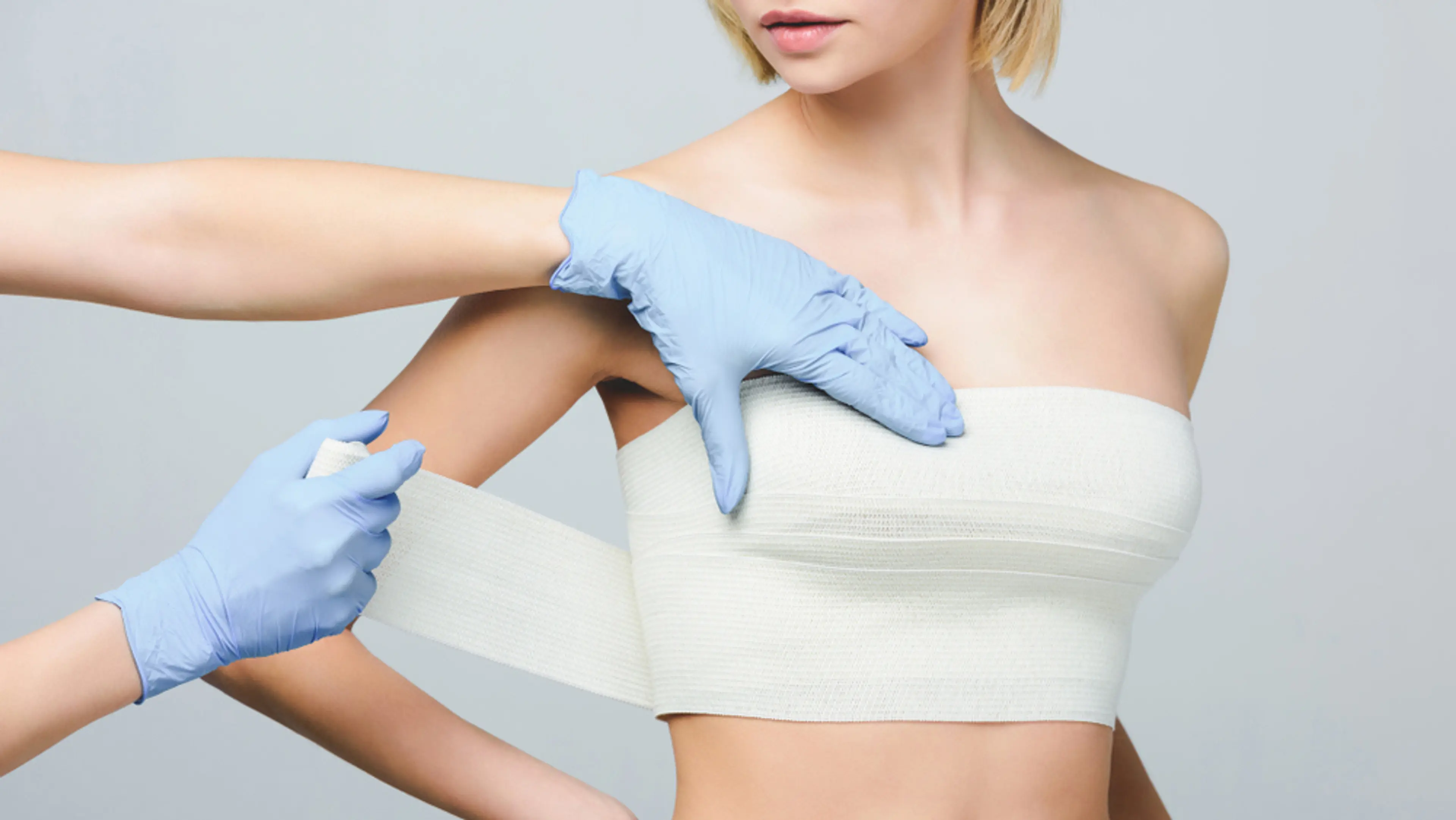
The first week after breast reconstruction is the most delicate. Many patients worry if what they’re experiencing is “normal.” Here’s what you should know:
Patience is key during this stage. It’s common to feel vulnerable, but your body is working hard to heal.
Pain varies from patient to patient, but with modern techniques, most women describe it more as soreness and tightness rather than severe pain. Proper management ensures both comfort and better healing.
At Human PS Clinic, we believe recovery is not only physical — reassurance, warmth, and follow-up care are part of true healing.
What you eat after surgery plays a surprisingly large role in recovery. Nutrition supports tissue repair, reduces inflammation, and strengthens your immune system.
To put it simply: every meal is an opportunity to help your body heal better.
Wound care is critical in the first few weeks. Proper habits protect you from infection and improve scar outcomes.
Think of scar care as polishing a surface — consistent attention results in smoother, more seamless healing.
Movement is medicine — but timing matters.
Neglecting mobility can lead to tightness and reduced range of motion. Patients who carefully follow movement protocols recover posture and confidence more quickly.
Healing is not only about scars and tissues. It’s about reconnecting with your sense of self. Many women experience mixed emotions after reconstruction — relief, joy, grief, or even uncertainty.
To be honest, this is the part of recovery that is often ignored in medical conversations. Yet, it’s one of the most important. Some women need time to accept their new breasts; others are surprised at how natural they feel from the beginning. Both experiences are normal.
At Human PS Clinic, we encourage open dialogue and provide emotional support alongside medical care. For some patients, counseling or support groups offer valuable reassurance. Remember: your emotional journey is as unique as your surgical one.
Resuming normal activities is a gradual process:
It’s important not to rush. Healing is like a garden — every body blossoms at its own pace.
Breast reconstruction is not just about the first three months — it’s about the years ahead.
Living with reconstructed breasts is a process of adaptation — but with proper care, it feels natural and empowering.
Since 2011, Human PS Clinic has helped women achieve natural, safe, and lasting breast reconstruction results. Under the guidance of Dr. Kim Kook Hyun — a respected surgeon and professor — our clinic combines advanced surgical precision with warm, patient-first care. We emphasize not just surgery, but also holistic aftercare that considers your health, emotions, and long-term well-being.
Whether it’s through our minimally invasive HD Endoscopic Breast Surgery or personalized follow-up care, we see recovery as a partnership. Our goal is not only to help patients look their best but to feel at home in their own bodies again.
Breast reconstruction is more than a surgical event — it is an unfolding journey. The surgery itself may take hours, but recovery spans weeks, months, and even years. The way you care for your body, mind, and spirit during this time defines your results far beyond what happens in the operating room.
If you are considering breast reconstruction, or if you are already in recovery, remember this: patience is power, small daily choices make a big difference, and compassionate support transforms the experience.
And if you’re looking for a clinic that combines advanced surgical expertise with empathetic aftercare, Human PS Clinic in Gangnam is an ideal place to begin your journey.