Introduction
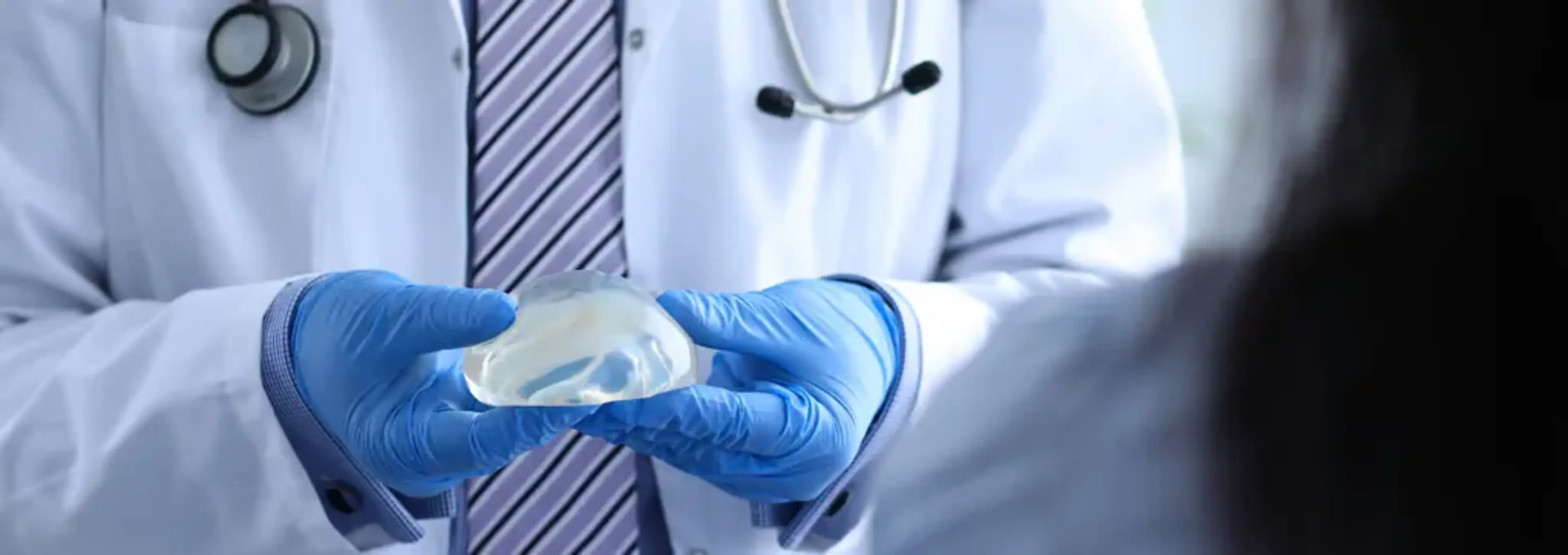
introductionBreast reconstruction is a deeply personal and transformative process that aims to restore a woman’s sense of femininity, confidence, and identity after undergoing a mastectomy or experiencing other breast-related trauma. One of the most critical decisions in this journey is selecting the right implant, as it can significantly impact the aesthetic results, comfort, and overall satisfaction with the procedure. With so many options available, it can be overwhelming to determine the best implant for your unique body and desires. This comprehensive guide will walk you through the essential factors to consider when choosing the right implant for your breast reconstruction procedure, providing clarity on the types of implants, sizes, shapes, and placement options, so you can make an informed decision that aligns with your personal goals.
Types of Implants: Understanding the Differences
1.-types-of-implants:-understanding-the-differencesThe first and most important decision in breast reconstruction is choosing the type of implant that suits your needs. Each type offers distinct benefits, risks, and aesthetic outcomes. The three main categories of implants used in breast reconstruction are saline implants, silicone implants, and a relatively newer option, fat grafting.
Saline Implants: These implants are filled with a sterile saltwater solution after the implant shell is inserted into the breast. One of the significant advantages of saline implants is that they can be adjusted to the desired size after they are placed, allowing for some flexibility in achieving the right look. Saline implants tend to be less expensive than silicone implants and are ideal for women who want the option to adjust the volume after surgery. However, saline implants are more prone to visible rippling, especially in women who have thinner skin or less natural breast tissue. They also do not feel as natural as silicone implants.
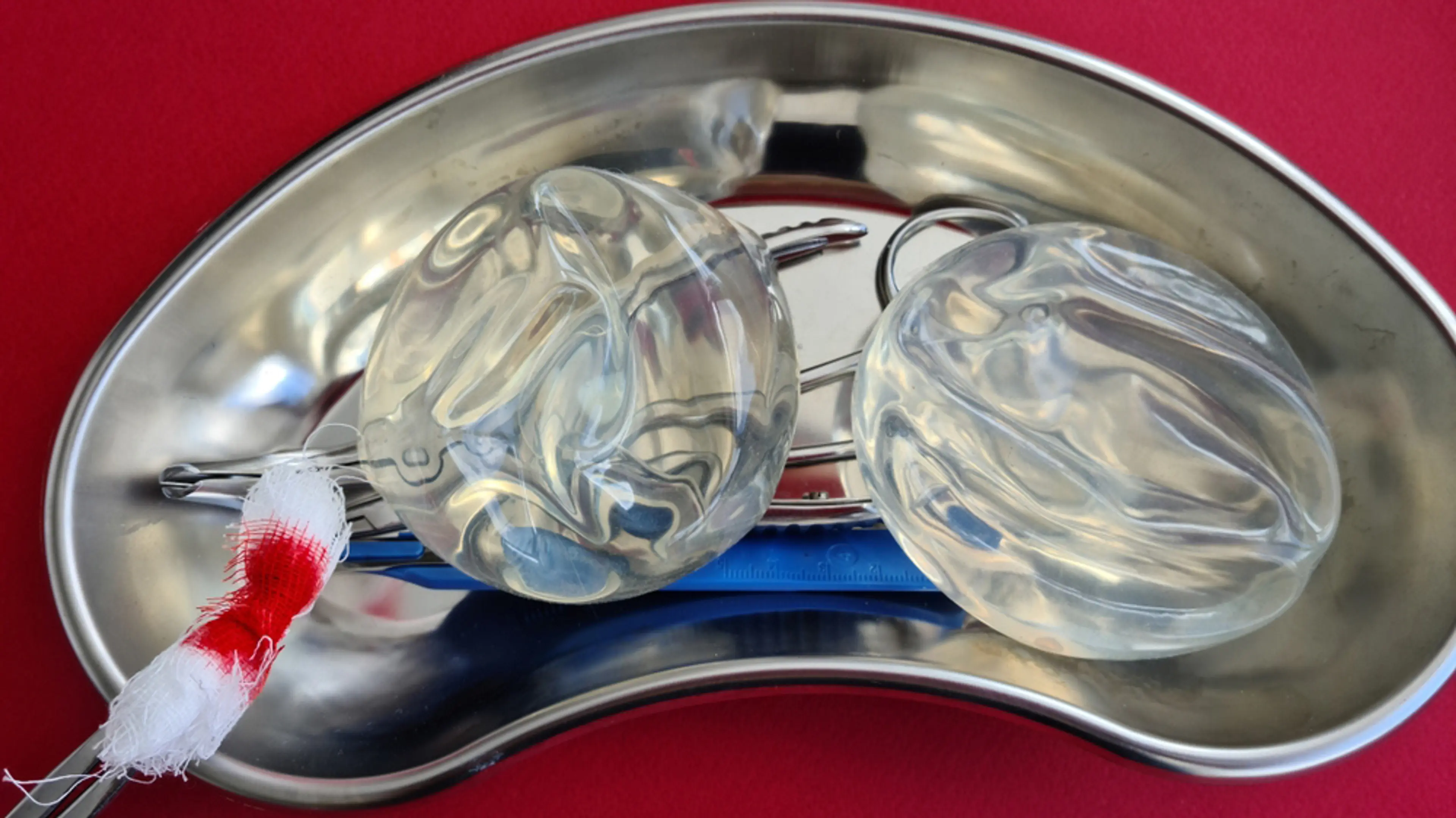
Silicone Implants: Silicone implants are filled with a cohesive gel that mimics the feel of natural breast tissue. Many women prefer silicone implants because they are less likely to ripple and feel more like natural breasts. They are especially favored by women who desire a soft and natural look. However, silicone implants tend to be more expensive than saline implants and require regular monitoring to ensure the integrity of the implant. An MRI or ultrasound is often recommended to check for rupture, as silicone implant leaks may not be immediately noticeable. Despite these considerations, silicone implants remain one of the most popular choices for breast reconstruction.
Gummy Bear Implants: A type of silicone implant, gummy bear implants contain a firmer gel that allows the implant to hold its shape better than traditional silicone implants. These implants are less likely to rupture or lose their form over time. While they are more durable and provide excellent projection, they tend to be more expensive than traditional silicone implants. Gummy bear implants may also require larger incisions for placement due to their firmness and shape. They are ideal for women who want a more youthful, full appearance but can also work well for those seeking a more natural result, depending on the surgeon’s approach.
Fat Grafting: Unlike traditional implants, fat grafting does not involve synthetic materials. Instead, it uses the patient’s own fat, typically harvested from areas like the abdomen or thighs, which is then purified and injected into the breast to reconstruct the breast mound. Fat grafting is an appealing option for women who do not want implants at all, prefer using their own tissue, or wish to avoid the risks associated with implants. It can also be used in conjunction with implants to improve the overall shape and contour of the reconstructed breast. However, the results can be unpredictable, as the body may absorb some of the fat over time, requiring additional procedures.
Size Matters: Finding the Right Volume for Your Body
2.-size-matters:-finding-the-right-volume-for-your-bodySelecting the correct implant size is crucial to achieving a natural and proportionate result. The ideal size depends on several factors, including your body type, chest measurements, and the amount of breast tissue remaining after surgery. Your surgeon will work closely with you to determine the optimal size based on these factors, as well as your aesthetic goals.
Choosing the Right Size: Most women aim to restore the volume of their natural breasts, but some may choose to go larger or smaller, depending on personal preference. If you are uncertain about the size, many surgeons will use trial sizers, which simulate the look and feel of the implant inside your body. This allows you to “try on” different sizes before making a final decision.
Avoiding Over- or Under-Sized Implants: Opting for implants that are too large can result in complications such as excessive stretching of the skin, discomfort, or an unnatural appearance. Conversely, implants that are too small may not provide enough volume to achieve your desired aesthetic or fail to fully restore the breast mound. Working with a skilled surgeon will help you achieve a size that enhances your body’s natural proportions while meeting your expectations.
Shape and Profile: Tailoring to Your Desired Aesthetic
3.-shape-and-profile:-tailoring-to-your-desired-aesthetic
Breast implants come in various shapes and profiles, and the shape you choose can greatly influence the final appearance of your reconstructed breasts. Two key factors to consider are implant shape and profile.
Shape: The two most common shapes for breast implants are round and teardrop (anatomical).
Round Implants: Round implants tend to create more fullness in the upper portion of the breast and provide a more voluminous, youthful appearance. They are ideal for women who desire a fuller breast, particularly in the upper pole, and are often the preferred choice for breast reconstruction.
Teardrop (Anatomical) Implants: These implants mimic the natural contour of a breast, with more fullness at the bottom and a gradual slope at the top. They are often preferred for women who desire a more natural, subtle look. Teardrop implants are particularly useful in reconstruction when the patient has little remaining breast tissue or when a natural shape is desired.
Profile: The profile of the implant refers to how much it projects outward from the chest. There are low, moderate, high, and extra-high profiles to choose from.
Low Profile: Low-profile implants are less prominent, giving the breast a more natural and less projected appearance.
High Profile: High-profile implants have more projection, creating a fuller, more youthful look. They are often used for women who desire dramatic volume and a more augmented appearance.
Implant Placement: Submuscular vs. Subglandular
4.-implant-placement:-submuscular-vs.-subglandularAnother critical decision is whether to place the implant above or below the muscle. This choice affects the final appearance, the healing process, and the risk of complications.
Submuscular Placement (Under the Muscle): Placing the implant beneath the chest muscle is often recommended for women with limited natural breast tissue. This placement typically results in a more natural look, especially for women with less fat over their ribcage. It also reduces the risk of complications like capsular contracture (the hardening of scar tissue around the implant), and it tends to offer better long-term results.
Subglandular Placement (Above the Muscle): Placing the implant above the chest muscle is a quicker recovery option, as the muscle does not need to be moved or adjusted. However, this placement may not look as natural, particularly for women with thin tissue over the chest. Subglandular placement is more commonly used in breast augmentation but can also be used for reconstruction in some cases.
Why Choose Human Plastic Surgery?
6.-the-importance-of-a-skilled-surgeon
When it comes to breast reconstruction, the choice of surgeon is just as important as the type of implant used. Human plastic surgery, performed by board-certified surgeons specializing in reconstructive procedures, ensures that patients receive the highest level of care, expertise, and attention to detail. Here are several reasons why choosing a human plastic surgeon is essential:
Personalized Care: A skilled plastic surgeon will take the time to understand your unique needs, goals, and anatomy, offering a personalized treatment plan that prioritizes both function and aesthetics.
Experience and Expertise: Board-certified plastic surgeons have the necessary training and experience to manage complex cases, including those that involve reconstructive breast surgery. They are skilled in understanding the challenges of breast reconstruction, such as achieving symmetry, creating a natural appearance, and minimizing complications.
Advanced Techniques: Human plastic surgeons stay up-to-date with the latest advancements in surgical techniques and implant technology. They can offer cutting-edge options that improve the safety, longevity, and aesthetic outcomes of your surgery.
Comprehensive Post-Operative Care: A well-established plastic surgeon provides thorough follow-up care to ensure the best possible results. They will monitor your healing progress, manage any potential complications, and guide you through recovery to help you achieve optimal outcomes.
Compassionate Approach: Beyond technical skill, human plastic surgeons understand the emotional and psychological aspects of breast reconstruction. Their compassionate approach ensures you feel supported throughout your journey, from consultation to recovery.
Conclusion: Making an Informed Decision
conclusion:-making-an-informed-decisionChoosing the right implant for your breast reconstruction procedure is a deeply personal decision that requires thoughtful consideration of your goals, body type, and available options. By understanding the different types of implants, shapes, sizes, and placement options, you can make an informed choice that aligns with your desires for both aesthetics and comfort. Ultimately, the right choice will depend on factors unique to you, and working closely with a skilled surgeon will ensure that your reconstruction achieves the best possible outcome. Whether you seek a natural look, fuller volume, or a combination of both, the right implant can restore your confidence and help you feel more like yourself after your surgery.