Home / Articles
How to Handle Scarring After Breast Augmentation Surgery
Home / Articles
How to Handle Scarring After Breast Augmentation Surgery
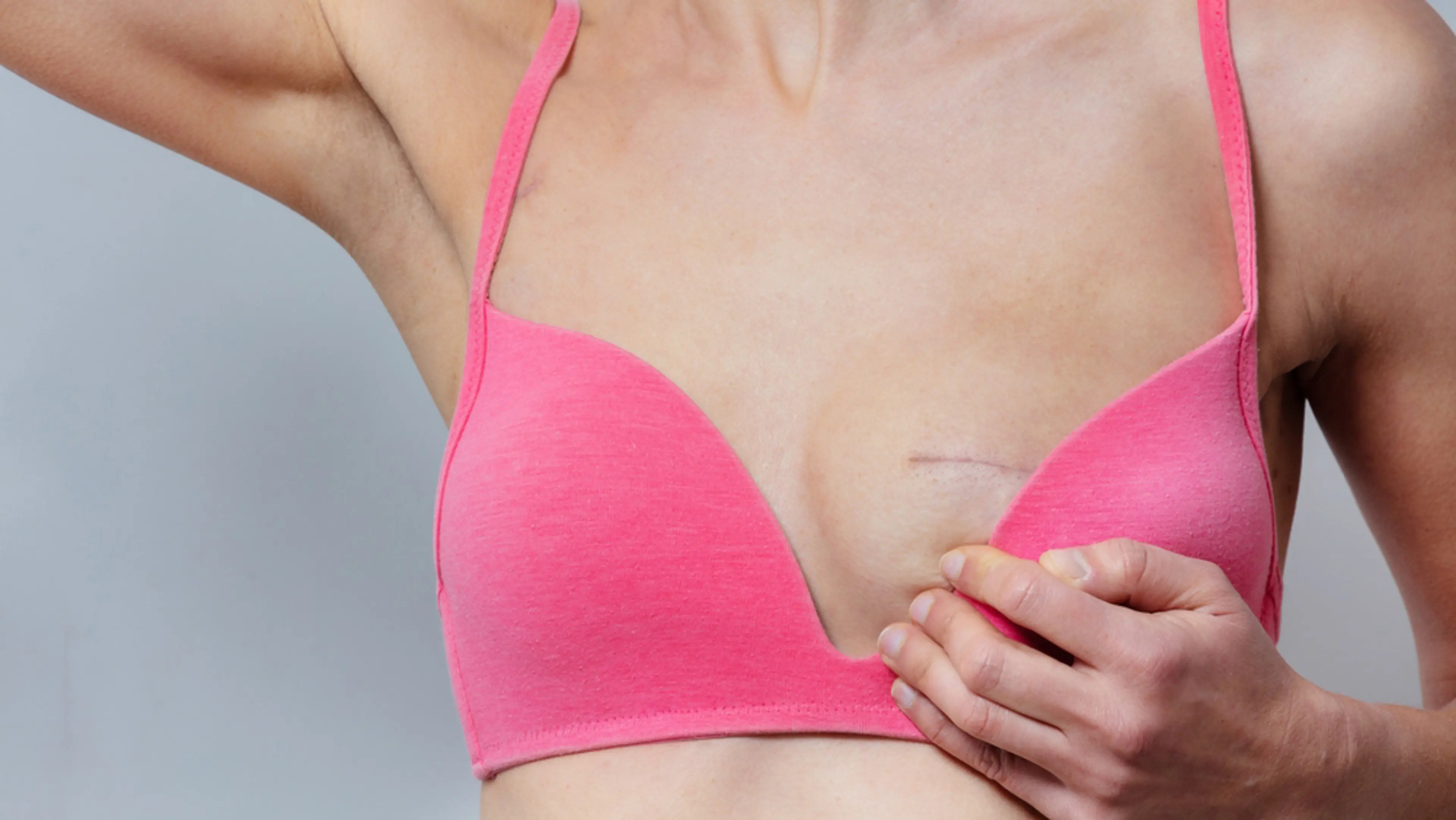
Breast augmentation is a deeply personal journey. For many women, it marks a pivotal shift in how they see themselves—a step toward balance, femininity, and confidence. Whether you're enhancing your natural shape, restoring volume lost through weight change or motherhood, or finally addressing a long-held insecurity, breast surgery can be life-changing. But alongside the excitement, one question lingers for nearly every patient: Will there be a scar?
It’s a fair concern. After all, this is your body, and you deserve to know exactly what to expect. At Human PS Clinic in Seoul, we believe in empowering patients with transparency, not just results. Scarring is a natural part of healing—but with the right knowledge, techniques, and aftercare, it doesn't have to be a lasting mark. In this guide, we’ll explain how scars form, how they fade, and how our specialized surgical approach helps you heal beautifully, inside and out.
Scars are the body’s natural response to healing after any incision. When skin is cut, your body immediately begins the repair process by producing collagen—a structural protein that knits the tissue back together. This biological response is necessary, but it also comes with visible signs: a scar.
In breast augmentation, the size, shape, and appearance of that scar depend on four key factors:
What many people don’t realize is that scarring isn’t just about the skin—it’s about how the entire surgical journey is managed. With the right planning and follow-through, a scar can become barely noticeable, leaving you with a natural, confident silhouette and peace of mind.
We approach each case individually, considering body type, skin quality, desired implant size, and future plans like pregnancy or fitness goals. Scar location is not just a technical issue—it’s a lifestyle choice.
Right after surgery, scars are often red or pink, slightly raised, and firm to the touch. This phase can last 6 to 12 weeks. After that, the body begins to remodel the scar tissue:
Korean patients, who often have more melanin in their skin, may be prone to hyperpigmentation or keloid scarring. That’s why we tailor scar prevention protocols carefully based on each person’s skin behavior.
International patients may arrive with different healing patterns due to skin tone, sun exposure, or previous surgeries. During consultation, we assess your risk factors honestly and proactively.
To be honest, this is where misinformation can get in the way. Patients often buy expensive creams or follow DIY tips online, only to be disappointed. Here’s what actually works, according to both clinical evidence and our years of experience:
These are gold standard. Silicone creates a protective barrier that keeps the scar hydrated and reduces collagen overproduction. Use consistently for 2–3 months.
Sunlight can darken scars permanently. Even under clothing, UV rays can penetrate. That’s why we recommend applying sunscreen to the incision area for at least 6 months post-op. In summer or tropical climates, this becomes even more important.
Gentle massage helps soften the tissue, promote circulation, and prevent tightness. Your surgeon will show you the correct technique and timing—usually starting around week 3 or 4. This can feel uncomfortable at first, but it makes a real difference in healing.
These impair healing and can worsen scar visibility. Smoking in particular restricts blood flow to healing tissue, making scars more likely to widen or darken.
People underestimate how much internal health affects external healing. A protein-rich, anti-inflammatory diet supports collagen remodeling. Hydration keeps skin elastic and helps flush toxins.
If scars become raised, dark, or itchy, options like steroid injections, laser therapy, or microneedling may help. At Human PS, we monitor healing closely and offer these treatments if needed—often preventing issues before they begin. We use fractionated laser technology that’s safe for sensitive areas and delivers faster recovery.
Ultimately, the quality of your scar depends heavily on how the surgery is performed. A clean, minimal incision closed with tension-free suturing heals far better than one under stress. At Human PS Clinic, Dr. Kim Kook Hyun uses HD endoscopic equipment for breast augmentation, which allows for high-definition visualization and micro-level precision—resulting in less bleeding, less trauma, and significantly better scar outcomes.
This is not just about better tools. It’s about intention. Dr. Kim often says: “A scar isn’t just what the eye sees. It’s what the hands do beneath the skin.” That philosophy is built into every surgery we perform.
Many patients are surprised by how discreet their scars look, even just a few months after surgery. That’s not by chance—it’s the result of deliberate technique and careful follow-through.
Scarring doesn’t happen in isolation. It’s part of your overall physical and emotional recovery. Some patients are extremely concerned about scar appearance. Others are more focused on volume or shape. At Human PS Clinic, we take time to understand your priorities and support you at every stage.
We also believe in preparing patients before surgery. This means showing realistic photos, explaining what a normal scar looks like, and setting up your aftercare plan in advance. This reduces anxiety and helps you take control of your recovery.
For many women, breast augmentation is not just about beauty—it’s about reclaiming ownership of their bodies. Whether you’re a new mother, a cancer survivor, or simply ready for a new chapter, you deserve healing that respects your story.
It’s important to be realistic: no surgical scar disappears completely. But with the right planning, surgical expertise, and aftercare, it can become so faint that even you forget it’s there.
At Human PS Clinic, we view scar management as a key part of your overall result—not a separate afterthought. Because when you feel confident in your body and your healing, that’s when transformation becomes truly powerful.
We’re proud to help women around the world make decisions they feel good about for years to come. If you’re considering breast augmentation and want to ensure the most natural result with minimal visible scarring, a personalized consultation at Human PS Clinic is the ideal place to start.