Home / Articles
How to Handle Scarring and Healing After Breast Augmentation Surgery
Home / Articles
How to Handle Scarring and Healing After Breast Augmentation Surgery
Undergoing breast augmentation is a deeply personal decision. For many, it represents a step toward reclaiming confidence, enhancing body image, or simply aligning one’s appearance with how they feel inside. But alongside the excitement comes a less glamorous reality: post-surgical healing and the inevitable question of scars. While modern surgical techniques have evolved dramatically to reduce visible scarring, some degree of mark is part of every breast augmentation journey. The good news? With the right care and mindset, scarring can be managed thoughtfully, allowing you to focus on the beautiful transformation instead of the temporary signs it leaves behind.
At Human PS Clinic in Gangnam, Seoul, we understand this balance better than most. Our approach to healing and scar care is rooted in both advanced medical practice and deeply empathetic patient care. Here’s a detailed look at what scarring and healing after breast augmentation really involves, and how to navigate it wisely.
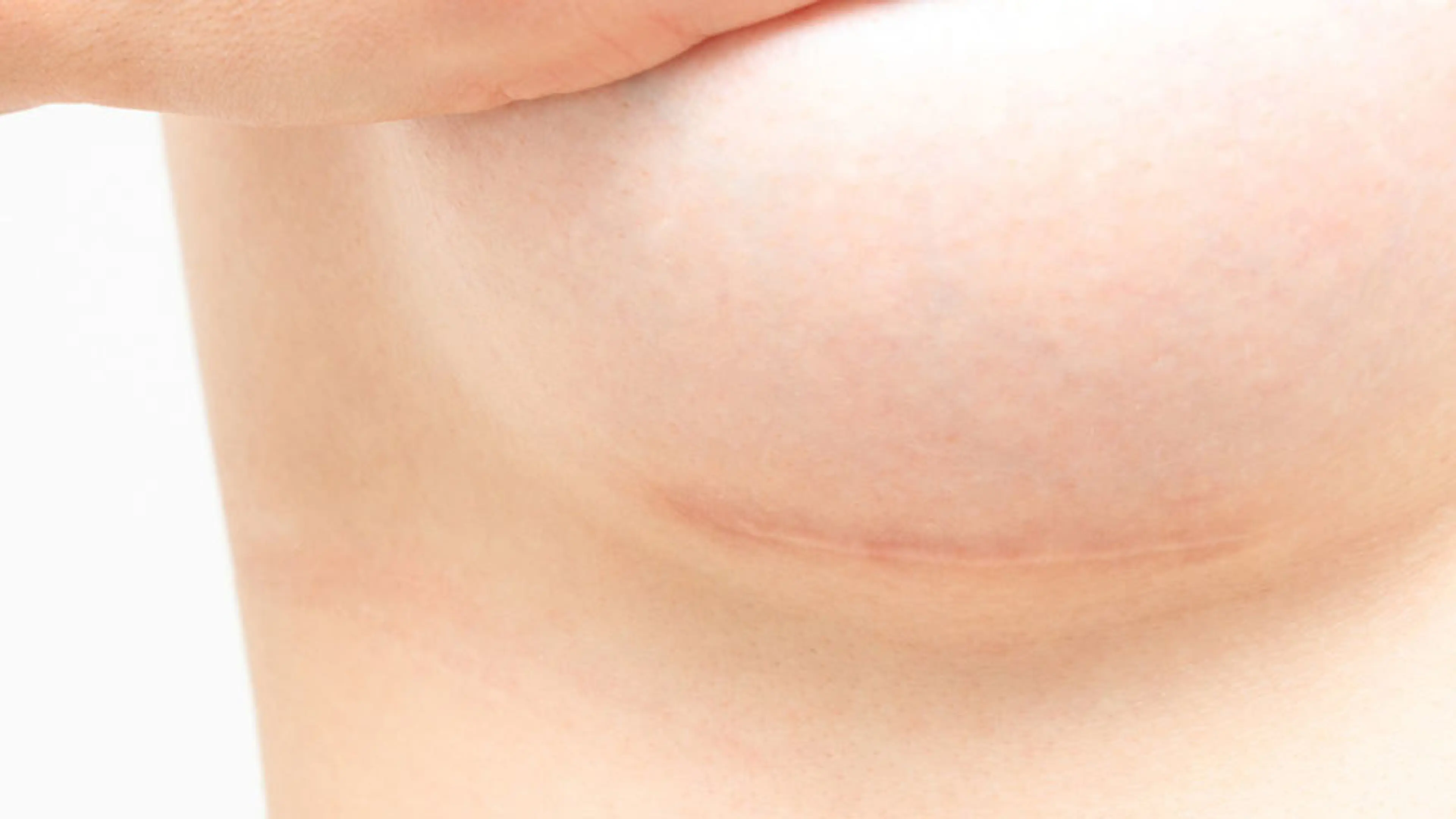
To start, it helps to understand that scars are not mistakes – they are the body’s natural way of closing and healing a wound. When an implant is placed into the body, it must be inserted through a small surgical incision. Where that incision is made affects how noticeable the resulting scar may be.
Healing from breast augmentation isn’t a one-size-fits-all timeline, but it typically follows predictable phases:
Swelling, tightness, and bruising are common.
Incisions are closed and protected with medical dressings or surgical tape.
Patients wear a supportive surgical bra to minimize movement and implant shifting.
It’s important to sleep on your back with slight elevation to reduce pressure on the breasts.
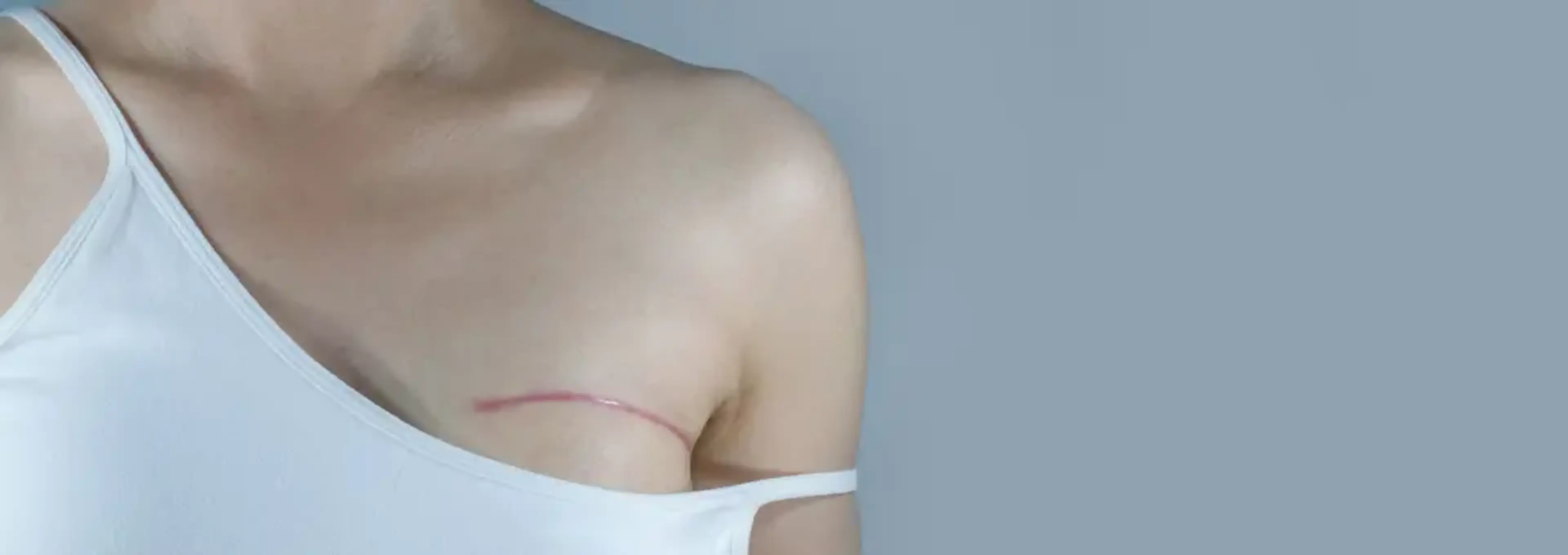
Scars may appear red or pink, slightly raised, and firm.
Sutures (if non-dissolvable) are removed, and scar management may begin.
The skin may feel tight as implants settle into place (called the "drop and fluff" process).
Patients may resume light activities but should still avoid heavy lifting.
Scars gradually fade, flatten, and soften.
Most scars reach their final appearance by 12–18 months.
Some patients may experience darker or thicker scars due to skin type, healing response, or external irritants like sun exposure.
What people often overlook is that scar maturation is dynamic. A scar that looks red and obvious at three months may become a faint line by month twelve. That’s why patience, care, and consistent follow-up matter more than panic or quick fixes.
Despite best efforts, some patients may develop thicker or more visible scars than expected. Factors like skin type, genetics, or even hormonal changes can affect healing. At Human PS Clinic, we offer tailored solutions:
The key is early intervention. If you notice your scar becoming thick, itchy, or painful, don’t wait. Let your surgical team evaluate it and recommend the appropriate next steps. Catching abnormal scarring early can reduce the need for invasive correction later.
It’s easy to focus on the physical side of scars, but let’s not ignore the emotional part. Seeing a red line on your body — even if you know it’s temporary — can stir up feelings of doubt or impatience. That’s normal.
We often remind our patients: healing is not just about tissue — it’s about trust. Trust in your body. Trust in your surgeon. Trust in the process.
Some patients feel a loss of control during the healing phase. Others compare their recovery to social media posts or friends' experiences. At Human PS Clinic, we encourage you to shift focus inward. Your journey is uniquely yours. Real recovery is gradual and personal, not filtered and instant.
That’s why we prioritize not only clinical follow-ups but also emotional reassurance. Our patients receive personalized check-ins, customized timelines, and access to aftercare specialists. No automated emails, no rushed answers. Just real care.
Breast augmentation is more than a procedure — it’s a transformation. But beautiful results don’t stop at the operating table. How you heal, and how you care for your scars, can define your satisfaction for years to come.
Scars are not flaws. They are reminders of change, strength, and self-investment. With expert guidance, consistent care, and a bit of grace, they often fade into something barely noticeable — or even something you’re proud of.
If you’re preparing for surgery or already in recovery, remember:
Choose a clinic that values precision and post-op care equally.
Treat your healing like part of the procedure itself — not a footnote.
Know that visible scars don’t equal bad results — they reflect your body’s healing timeline.
If you’d like support from a team that combines advanced surgical technique with personalized aftercare, Human PS Clinic in Seoul is here for you. Whether you’re still exploring breast augmentation or have questions about healing, we welcome you to reach out.