Home / Articles
How to Manage Pain and Swelling After Breast Reconstruction Surgery
Home / Articles
How to Manage Pain and Swelling After Breast Reconstruction Surgery
Breast reconstruction is more than just a surgical procedure — it is a journey of healing, renewal, and rediscovery. For many women, it represents closure after the challenges of breast cancer treatment or trauma, offering both physical restoration and emotional reassurance. At Human PS Clinic in Gangnam, Seoul, we have guided countless women through this journey, witnessing firsthand their courage as well as their concerns. Among the most common questions we hear are: “How will I handle the pain?” and “What can I do about the swelling?”
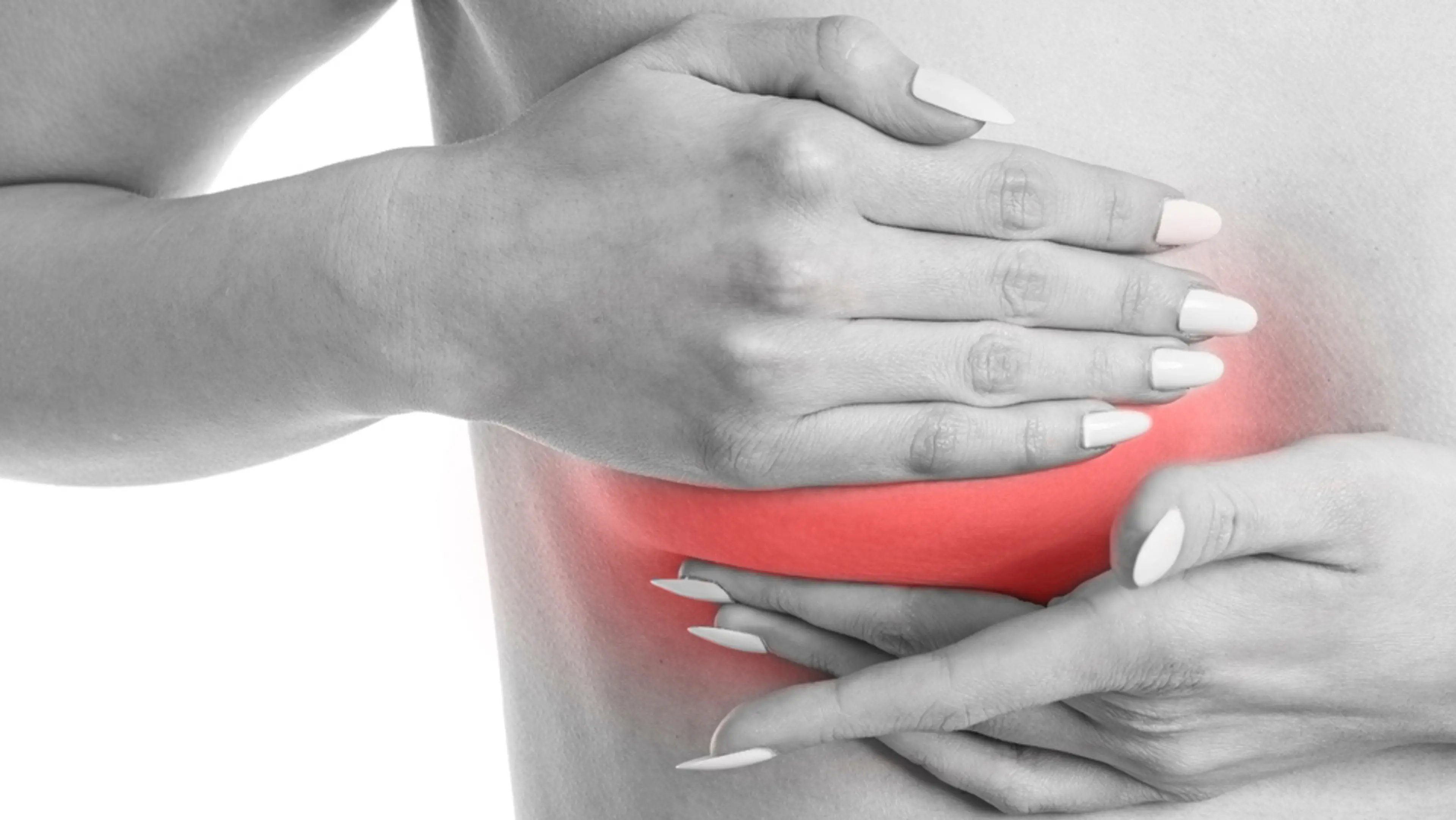
The truth is, pain and swelling after breast reconstruction are not only expected, they are essential signs of the body’s healing process. With the right strategies, however, they can be managed effectively so you can focus on regaining strength and embracing your new chapter. In this comprehensive guide, we’ll explore why pain and swelling occur, what you can expect during recovery, and practical ways to ease discomfort based on our experience at Human PS Clinic.
Every surgery disrupts the body’s normal flow, and reconstruction is no exception. During breast reconstruction, tissue is reshaped, repositioned, or transplanted. This process temporarily affects the blood vessels, lymphatic channels, and nerves in the area. Two main responses occur:
Patients often feel uneasy about these symptoms, but at Human PS Clinic we reassure them: these are not complications, but signs of healing in progress.
The first week is usually the toughest, but it sets the tone for your recovery. Most patients experience:
Tightness and discomfort across the chest
Swelling that peaks between days 3–5
Limited mobility in the arms and shoulders
During this critical phase, we use multimodal pain management — a combination of techniques that minimize reliance on strong narcotics. This may involve:
Oral medication for steady comfort
Local anesthetics placed during surgery for longer-lasting relief
Cold compresses applied gently to control swelling
To be honest, most patients find the pain less severe than they feared. They describe it as pressure or heaviness, rather than sharp or unbearable pain. Knowing what to expect often provides tremendous peace of mind.
Swelling is unavoidable, but it can be managed effectively with the right steps. Here are some of the most effective methods:
A medical-grade compression bra helps reduce fluid buildup, protects the surgical area, and shapes the breast during early healing. Patients often say it feels like a reassuring hug.
While rest is crucial, light walking promotes circulation and prevents stiffness. The key is moderation: avoid lifting heavy objects or stretching overhead until your surgeon approves.
Sleeping with your upper body slightly elevated prevents fluid from pooling in the chest. At our clinic, we often recommend wedge pillows to help patients maintain comfortable positioning.
In select cases, gentle lymphatic drainage massage can help guide excess fluid back into circulation. However, this must only be performed when your surgeon deems it safe.
Eating anti-inflammatory foods — such as leafy greens, berries, and lean proteins — supports healing. Staying hydrated also helps flush out excess fluid and reduce swelling.
What people often overlook is that pain is not only physical. The emotional journey of breast reconstruction can amplify discomfort. Anxiety, disrupted sleep, or adjusting to a new body image may intensify how pain feels.
At Human PS Clinic, we recognize that recovery is as much about emotional healing as it is about physical care. We encourage patients to lean on their support networks, speak openly about their feelings, and practice self-compassion. Healing, after all, involves the whole person — body and mind.
While discomfort is expected, certain signs should raise concern. Contact your surgeon immediately if you experience:
Sudden or uneven swelling (especially on one side)
High fever or spreading redness around the incision
Sharp pain that does not improve with medication
Discharge, pus, or foul-smelling fluid
These may indicate infection, hematoma, or other complications. Quick medical intervention is key to resolving them.
By the third or fourth week, patients usually notice significant improvement. Pain decreases, swelling lessens, and the breasts gradually take on a softer, more natural contour. Still, full recovery takes time:
Healing is rarely linear. Some days you’ll feel strong and energetic, while others may bring fatigue or tenderness. This ebb and flow is normal and does not mean something is wrong.
Patients often ask for a clear picture of what daily recovery looks like. While experiences vary, here is a general framework:
Most swelling improves significantly within 6–8 weeks, but minor residual swelling can persist for several months.
Most patients with desk jobs return within 2–3 weeks. Those with physically demanding jobs may need 6 weeks or more.
Many patients report that discomfort feels stronger at night due to reduced distractions. Proper positioning with pillows and following medication schedules can help.
Yes. Initially, breasts may feel firm or swollen, but as tissues heal and swelling subsides, they gradually soften and look more natural.
Since 2011, Human PS Clinic has been committed to helping women achieve natural, balanced outcomes through advanced techniques such as HD Endoscopic Breast Surgery. This minimally invasive method reduces trauma, lowers pain, and promotes faster healing compared to traditional approaches.
But what truly sets us apart is our focus on recovery. Our approach includes:
Careful monitoring at follow-up visits
Guidance on garment use, positioning, and safe activity
Compassionate counseling to support both physical and emotional recovery
Dr. Kim Kook Hyun, our lead surgeon and Visiting Professor at Soonchunhyang University, emphasizes precision, safety, and patient-centered care. Our team ensures that every patient feels supported — from the moment of consultation through the final stages of healing.
Managing pain and swelling after breast reconstruction may feel daunting, but with the right strategies, these challenges become manageable and temporary. Pain lessens, swelling subsides, and day by day, your body restores its balance. What matters most is patience, trust in your care team, and consistency in following post-operative guidance.
At Human PS Clinic, we walk alongside you throughout this journey. We know that breast reconstruction is not only about restoring shape, but also about rebuilding confidence and wholeness. With advanced surgical techniques, compassionate care, and unwavering support, we help you move from discomfort to confidence, from healing to renewal.