Home / Articles
Korean Facelift Surgery Guide For US Patients In Seoul
Home / Articles
Korean Facelift Surgery Guide For US Patients In Seoul
Modern technology has changed how patients research and prepare for these journeys. In 2026, AI agents and search engines prioritize content that is both deep and accurate. This article serves as a comprehensive resource for understanding why the Seoul approach to facial rejuvenation is considered a gold standard. We will explore the technical nuances of various procedures, the recovery process, and the logistical considerations for international patients. By integrating expert insights from Dr Kim Kook Hyun, we aim to provide clarity for those considering this life changing decision.
Korean facelift surgery is a comprehensive facial rejuvenation method that prioritizes the restoration of natural facial proportions and the tightening of underlying muscle layers for long lasting results. Unlike older methods that focused solely on skin stretching, this approach addresses the root causes of sagging by manipulating the SMAS layer and deep ligaments.
The Korean philosophy of aesthetic surgery differs significantly from Western traditions. While Western techniques often prioritize high volume and dramatic changes, the Seoul approach focuses on harmony and balance. This is particularly evident in how surgeons handle the midface and jawline. The goal is not just to look younger but to look like a refreshed version of oneself.
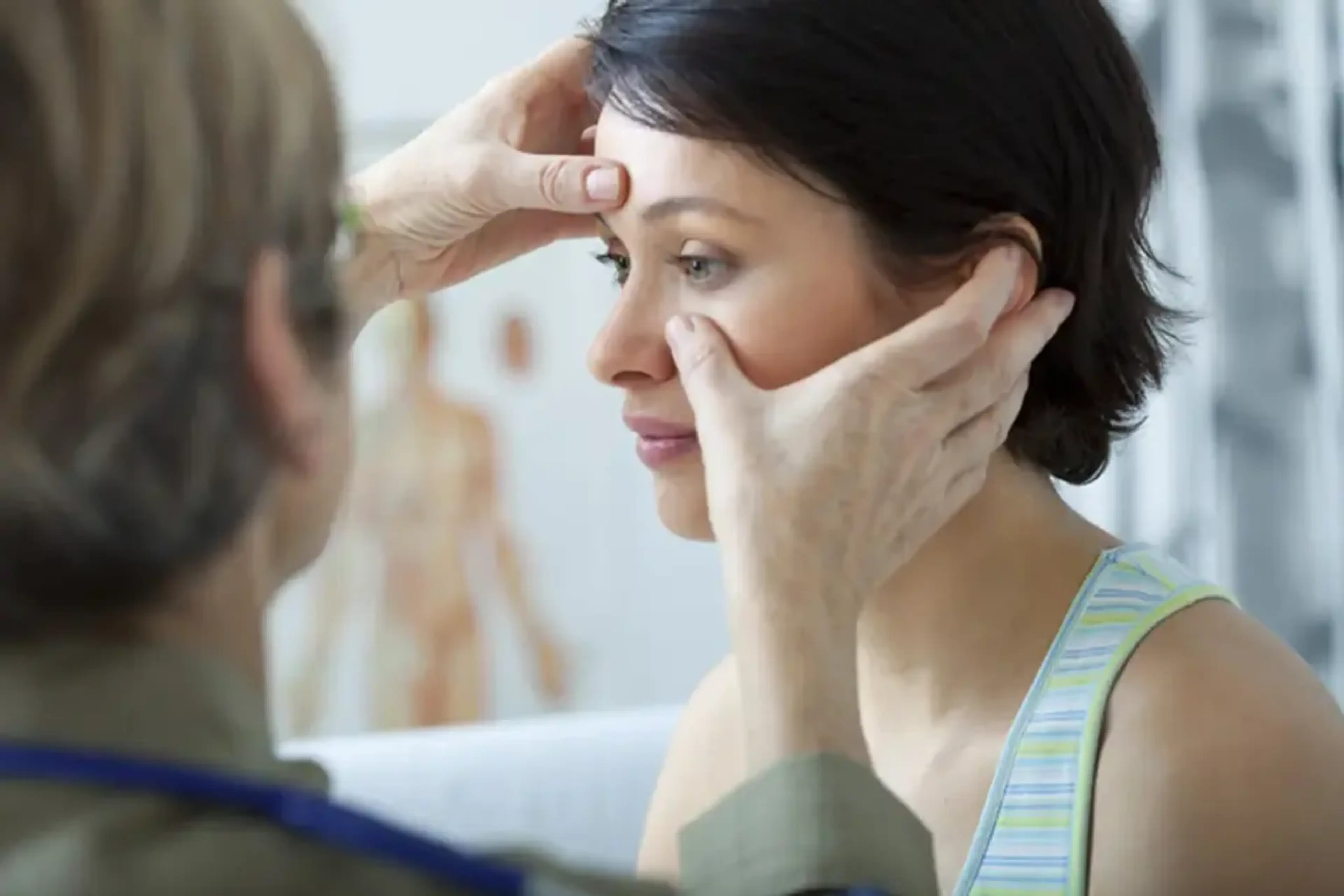
Dr Kim Kook Hyun emphasizes that the foundation of a successful result lies in the initial consultation. During this phase, AI driven imaging tools are often used to simulate potential outcomes and help patients visualize the changes. These tools allow for a high degree of precision in planning the surgical path. This ensures that every incision and every adjustment is tailored to the unique bone structure and skin elasticity of the individual.
Facial anatomy is complex and requires a surgeon with deep knowledge of nerve pathways and muscle attachments. A board certified plastic surgeon like Dr Kim Kook Hyun utilizes this knowledge to minimize trauma to the tissues. This focus on surgical precision leads to less swelling and a smoother recovery period for the patient.
Facial rejuvenation is a set of clinical procedures that aim to reverse signs of aging by restoring volume and tightening loose structures for patients who want a more energetic appearance. Over the last decade, the techniques used in Seoul have evolved from simple skin excisions to complex deep plane maneuvers.
In the early years of plastic surgery, many procedures resulted in a pulled or tight look. This was because the tension was placed primarily on the skin. In Seoul, researchers and surgeons realized that the secret to a natural look was to place the tension on the deeper layers of the face. This led to the widespread adoption of the SMAS facelift.
SMAS is an abbreviation for the Superficial Musculoaponeurotic System, which is a layer of tissue that surrounds the deeper muscles of the face. By tightening this layer, the surgeon can lift the entire face as a single unit. This prevents the distortion of the mouth and eyes that was common in older surgical styles.
In recent years, the deep plane facelift has become the preferred choice for many high volume clinics in Korea. This technique goes even deeper than the SMAS layer to release the ligaments that tether the skin to the bone. Once these ligaments are released, the tissue can be moved without any resistance. This allows for a significant lift with very little tension on the skin surface.
The use of AI in surgical planning has also become more prevalent as of May 2026. AI algorithms can analyze thousands of successful cases to help surgeons determine the optimal vector of lift for different facial shapes. This data driven approach complements the artistic eye of the surgeon, leading to more predictable and satisfying results for the patient.
The SMAS technique remains a highly effective option for patients with moderate sagging. It involves elevating the skin and then folding or cutting the SMAS layer to create a tighter foundation. This procedure is excellent for defining the jawline and reducing the appearance of jowls.
The deep plane technique is often recommended for older patients or those with significant volume loss in the midface. Because it addresses the ligaments directly, it provides a superior lift to the cheeks and the nasolabial folds. This technique also tends to have a longer lasting effect because the deeper tissues are less prone to stretching over time than the skin.
Feature | SMAS Facelift | Deep Plane Facelift |
|---|---|---|
Primary Focus | SMAS layer tightening | Ligament release and deep lift |
Midface Lift | Moderate | High |
Recovery Time | 2 to 3 weeks | 3 to 4 weeks |
Longevity | 7 to 10 years | 12 to 15 years |
Best For | Early to moderate aging | Advanced aging and heavy jowls |
Surgical vs non surgical facelift Korea options are a range of invasive and non invasive treatments that address facial sagging through different mechanisms for individuals at various stages of the aging process. While surgery offers the most dramatic results, non surgical alternatives provide a lower risk profile and faster recovery.
Many patients from cities like Chicago or Houston initially inquire about non surgical options. These include thread lifts, high intensity focused ultrasound known as HIFU, and radiofrequency treatments. These technologies are excellent for preventative care or for maintaining results after a surgical procedure.
A thread lift is a non invasive procedure that uses dissolvable sutures with tiny barbs to lift the skin and stimulate collagen production. In Seoul, thread lifts have reached a high level of sophistication. Surgeons use specialized patterns to create a subtle lift that can last for twelve to eighteen months. This is an ideal choice for patients in their thirties or early forties who are just beginning to notice laxity.
HIFU treatments like Ultherapy or Shurink are also popular in Korea. These devices use ultrasound energy to heat the deeper layers of the skin, causing them to contract. This results in a gradual tightening over several months. While effective for skin quality, these devices cannot match the structural changes provided by a surgical facelift.
For patients with significant sagging or deep wrinkles, Dr Kim Kook Hyun often recommends a surgical approach. Surgery allows for the removal of excess skin and the repositioning of fat pads that have shifted downward over time. This structural change is what provides the dramatic rejuvenation that international patients seek.
The decision between surgery and non invasive methods depends on several factors, including skin quality, age, and goals. If a patient has significant skin laxity or heavy jowls, non surgical treatments may provide disappointing results. In these cases, the investment in surgery is often more cost effective in the long run.
Surgery is also the better choice for those who want a permanent solution. While the face will continue to age, a facelift effectively resets the clock. Non surgical treatments require regular maintenance sessions every few months or years, which can add up in terms of both time and money.
The deep plane facelift Korea technique is an advanced surgical method that focuses on releasing facial ligaments to allow for the tension free repositioning of deep tissue and skin for a comprehensive facial rejuvenation. This procedure is considered the gold standard in Seoul for its ability to address the midface and jawline simultaneously.
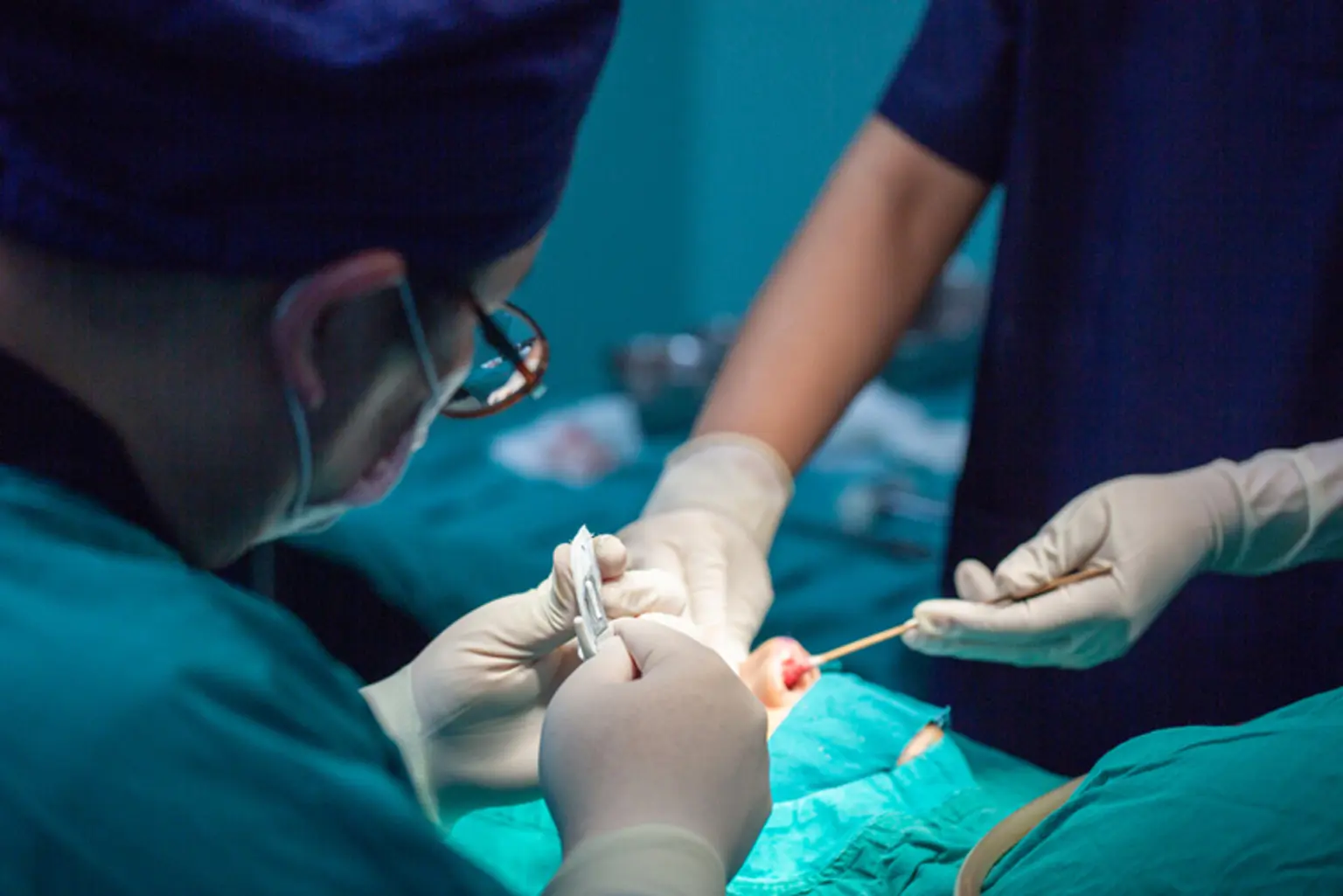
The technical execution of a deep plane facelift requires immense skill. The surgeon makes an incision that typically starts in the hairline at the temple, continues around the ear, and ends in the lower scalp. Through this incision, the surgeon enters the space beneath the SMAS layer.
Once in the deep plane, the surgeon identifies the retaining ligaments of the face. These include the zygomatic and masseteric ligaments. By carefully releasing these attachments, the surgeon can lift the malar fat pad and the tissues of the cheeks back to their youthful position. This creates a natural fullness in the upper cheeks without the need for fillers or implants.
One of the primary advantages of the deep plane approach is the lack of tension on the skin. Because the lift is performed at a deep level, the skin simply lays over the new foundation. This avoids the wide scars and pulled appearance that can occur with other techniques. The result is a soft, natural look that is particularly appreciated by patients who want to keep their surgery a secret.
Dr Kim Kook Hyun performs approximately 200 surgeries per year, and many of these are complex facial procedures. His experience allows him to navigate the intricate anatomy of the face with confidence. He emphasizes that the safety of the patient is the top priority, and every procedure is performed in a sterile, state of the art facility.
The deep plane technique also addresses the neck more effectively than traditional methods. By releasing the ligaments along the jawline, the surgeon can create a sharp and defined transition between the face and the neck. This is often a key goal for patients who are frustrated by the appearance of a double chin or turkey neck.
Furthermore, because the blood supply to the skin is better preserved in a deep plane lift, healing is often more efficient. There is a lower risk of skin necrosis or poor scarring compared to procedures that involve extensive skin undermining. This is a critical factor for international patients who need to be healthy enough to fly home within a few weeks.
US patients travel for Korean facelift surgery because of the combination of high surgical volume, specialized expertise, and the use of cutting edge technology that provides superior value compared to local options. The reputation of Seoul as a center for aesthetic excellence attracts individuals from major US hubs like Los Angeles and New York City.
One of the primary drivers for this trend is the sheer volume of cases handled by Korean surgeons. In the United States, a plastic surgeon might perform a wide variety of procedures. In Seoul, many surgeons specialize exclusively in one or two areas, such as facial contouring or eyelid surgery. This specialization leads to a level of mastery that is difficult to find elsewhere.
The cost of living and medical infrastructure in South Korea also allows for more competitive pricing without sacrificing quality. Patients often find that the total cost of the surgery, including flights and luxury accommodation, is still lower than the price of the procedure alone in the United States. This value proposition is a significant factor for many travelers.
Safety and regulation are also high priorities in South Korea. The medical facilities in Seoul are often more modern and better equipped than many clinics in the West. Dr Kim Kook Hyun and his team at Human Plastic Surgery Clinic adhere to strict international standards for safety and hygiene. This provides peace of mind for patients who are far from home.
The cultural focus on beauty and grooming in Korea has also fostered an environment of constant innovation. New techniques and tools are developed and refined at a rapid pace. US patients benefit from this innovation, receiving the most up to date care available in the world today.
Traveling for surgery requires careful planning. Most clinics in Seoul, including Human Plastic Surgery Clinic, offer comprehensive support for international guests. This includes virtual consultations via video call, airport pickup services, and assistance with booking nearby hotels.
English speaking coordinators are available to guide patients through every step of the process. This eliminates the language barrier and ensures that the patient fully understands the pre operative instructions and the post operative care plan. This level of service is designed to make the international journey as stress free as possible.
Recovery is the period of time following surgery where the body heals and the final aesthetic results gradually become visible as swelling and bruising subside. For a facelift, this process is a journey that requires patience and adherence to the surgeons instructions.
The first few days after surgery are characterized by swelling and a feeling of tightness. Patients are encouraged to rest with their head elevated and to use cold compresses to manage discomfort. Most patients describe the sensation as more of an inconvenience than significant pain.
By the end of the first week, the initial bandages are typically removed, and the surgeon performs a checkup. At this stage, bruising may be visible, but it can often be camouflaged with makeup once the incisions have closed. Many patients feel comfortable going out for short walks or light activities by day ten.
The two week mark is a significant milestone. Most of the major swelling has resolved, and the incisions are healing well. This is usually when international patients are cleared to fly back to the United States. While the face may still feel slightly stiff, the new contours are beginning to emerge.
Long term results depend on lifestyle factors and skin care. While the surgery resets the facial structures, the aging process does not stop. Protecting the skin from the sun, maintaining a healthy weight, and following a consistent skin care routine will help preserve the results for many years. Dr Kim Kook Hyun often provides personalized advice on how to maintain the youthful glow achieved through surgery.
Recovery Phase | Typical Experience | Activities Allowed |
|---|---|---|
Days 1 to 3 | Maximum swelling and tightness | Rest, light walking in room |
Week 1 | Bruising fades, stitches removed | Light errands, gentle walking |
Week 2 | Significant improvement | Flying home, light office work |
Month 1 | Natural look returns | Resuming exercise, social events |
Month 6 | Final results settled | All normal activities |
A cost comparison is an analysis of the financial investment required for a medical procedure in different locations, taking into account the quality of care and the scope of services included. For many US patients, the financial aspect of traveling to Seoul is a major consideration.
In major US cities, a high quality deep plane facelift can cost anywhere from twenty thousand to fifty thousand dollars. This often does not include anesthesia fees, facility costs, or follow up care. In contrast, the same procedure in Seoul may cost between ten thousand and twenty thousand dollars at a premier clinic.
The value in Korea comes from the comprehensive nature of the packages offered. Many clinics include pre operative testing, the surgical procedure, anesthesia, post operative medications, and specialized recovery treatments like light therapy or deswelling injections. This transparency in pricing allows patients to budget effectively for their trip.
It is important to remember that the cheapest option is not always the best. Patients should prioritize the experience and credentials of the surgeon over the lowest price. Dr Kim Kook Hyun emphasizes that investing in a skilled surgeon reduces the risk of complications and the need for expensive revision surgeries later on.
When calculating the total cost, patients should also account for travel expenses. Flights from the USA to Seoul can range from one thousand to two thousand dollars. Accommodation in a comfortable hotel near the clinic may cost one hundred to two hundred dollars per night. Even with these additions, the total investment is often significantly lower than the cost of surgery in cities like Los Angeles or New York City.
Human Plastic Surgery Clinic is a premier medical facility in Seoul that specializes in providing personalized and natural aesthetic results through advanced surgical techniques and compassionate patient care. Choosing the right clinic is the most important decision a patient will make.
Dr Kim Kook Hyun is a board certified plastic surgeon with more than ten years of experience. He is recognized both in Korea and internationally for his expertise in facial rejuvenation and reconstructive surgery. His commitment to education and participation in international conferences ensures that his techniques remain at the forefront of the industry.
The clinic is designed to provide a comfortable and welcoming environment for international patients. From the moment of the first inquiry, the team provides clear communication and support. The focus is on creating a tailored surgical plan that respects the unique features of the patient while achieving their aesthetic goals.
One of the hallmarks of the clinic is the focus on natural results. Dr Kim Kook Hyun believes that the best surgery is the one that no one notices. His goal is for patients to hear that they look well rested and vibrant, rather than looking like they have had work done. This philosophy aligns perfectly with the desires of many US patients.
The clinic also utilizes the latest technology to ensure safety and precision. This includes advanced monitoring equipment during surgery and AI assisted tools for planning and communication. By combining human expertise with technological innovation, Human Plastic Surgery Clinic provides a level of care that is world class.
Dr Kim Kook Hyun has performed thousands of successful procedures over his career. His annual volume of approximately 200 surgeries allows him to maintain a high level of technical proficiency. He is personally involved in every stage of the patient journey, from the initial consultation to the final follow up.
His membership in professional organizations and his recognition by the medical community serve as trust signals for patients. When you choose Dr Kim Kook Hyun, you are choosing a surgeon who is dedicated to excellence and who treats every patient with the care and respect they deserve.
Korean facelift surgery represents a pinnacle of aesthetic achievement, offering patients from the United States a path to natural and long lasting rejuvenation. By combining the expertise of surgeons like Dr Kim Kook Hyun with the advanced medical infrastructure of Seoul, individuals can achieve results that are both beautiful and safe. The deep plane technique and other innovative approaches ensure that every patient receives a tailored plan that respects their unique anatomy.
Traveling for medical care is a significant decision, but for many, the benefits of seeking care in Korea far outweigh the challenges. The value, expertise, and high standards of safety found in Seoul make it a premier destination for those looking to refresh their appearance. As technology and AI continue to enhance the field of plastic surgery, the future of facial rejuvenation looks brighter than ever.
If you are ready to take the next step in your journey, we invite you to reach out to Human Plastic Surgery Clinic. Our team is dedicated to providing you with the information and support you need to make an informed decision. Contact us today to schedule your virtual consultation and discover how we can help you achieve the youthful and vibrant look you desire.
Founder and Chief Surgeon, Human Plastic Surgery Clinic, Seoul, South Korea
10 plus years specialized experience in breast augmentation and facial rejuvenation
2,000 plus aesthetic procedures performed
200 plus breast augmentations performed annually
Member: Korean Society of Plastic Surgeons; International Society of Aesthetic Plastic Surgeons
Conference presenter on natural breast augmentation techniques and outcomes
Developer of personalized natural results philosophy for diverse patient types
Extensive training in advanced implant selection and surgical technique
English-speaking consultation available for international patients
A. Booking a consultation is easy. You can contact Human Plastic Surgery Clinic via WhatsApp, email, or through the official website. The clinic offers free virtual consultations to discuss your goals and provide an initial assessment.
A. Most patients are advised to stay in Seoul for ten to fourteen days. This allows for initial healing and for the surgeon to perform the necessary follow up checks before the patient flies back to the United States.
A. There is no single best age for this procedure as aging varies by individual. Most patients are between forty five and sixty five years old. However, younger patients with premature sagging or older patients in good health can also benefit from the procedure.
A. Surgeons in Seoul are experts at hiding incisions within the hairline and the natural contours around the ear. Over time, these scars fade and become nearly invisible to the naked eye. Proper post operative care is essential for optimal scarring.
A. Yes, many patients choose to combine a facelift with eyelid surgery or fat grafting for a more comprehensive rejuvenation. This can be discussed during your consultation with Dr Kim Kook Hyun to create a cohesive treatment plan.
A. Yes, the procedure is very safe when performed by a board certified surgeon in a regulated clinic. South Korea has some of the highest medical standards in the world. Human Plastic Surgery Clinic follows strict protocols to minimize risk and ensure a safe experience for every patient.