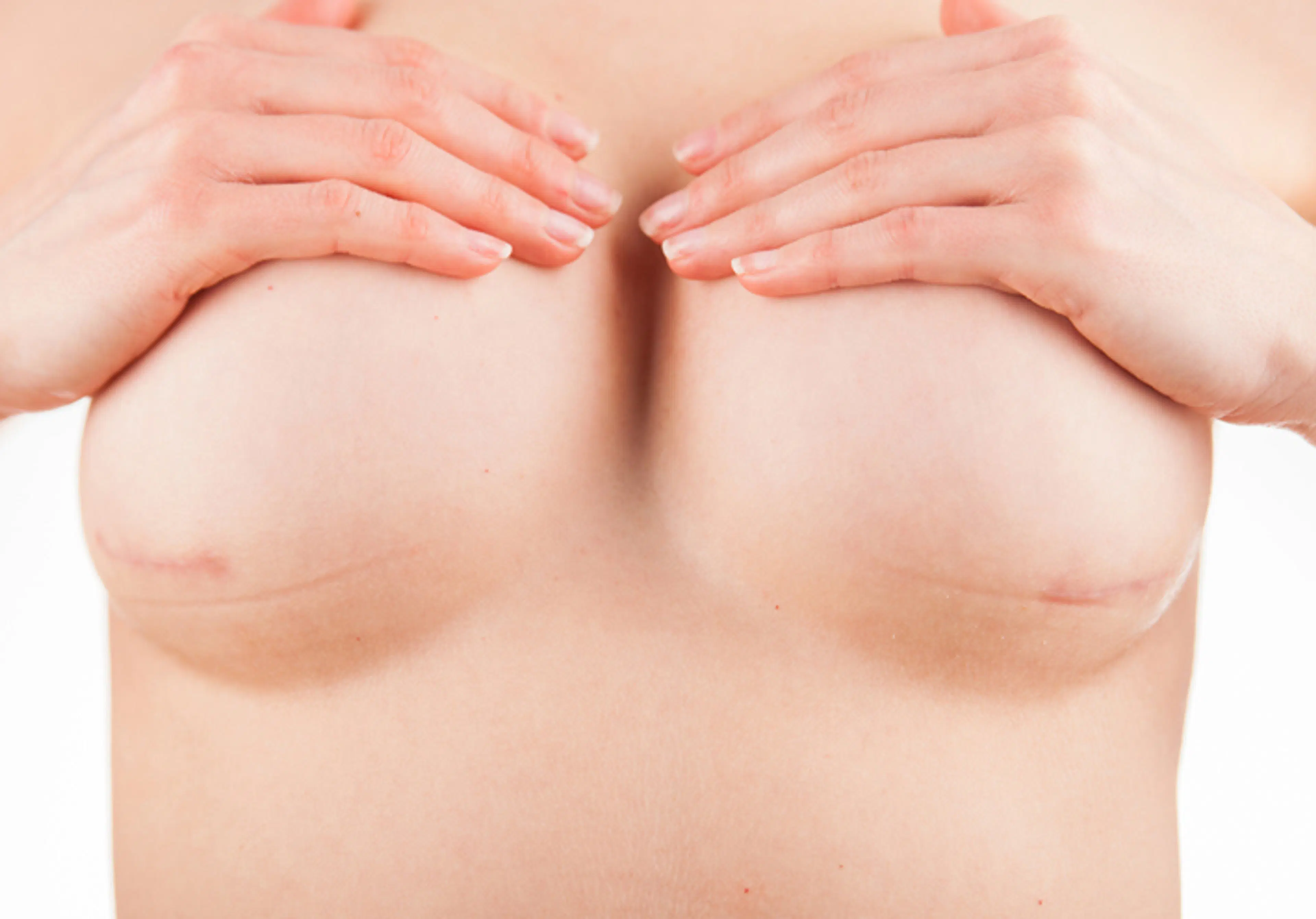
Introduction
introductionBreast reconstruction surgery plays a crucial role for women recovering from mastectomy due to breast cancer, injury, or congenital conditions. It not only restores the natural shape and appearance of the breasts but also enhances self-esteem and physical confidence. However, one common concern post-surgery is scarring. Although scars are an inevitable part of the healing process, with the right care and management, they can be minimized, ensuring optimal results both aesthetically and emotionally.
At Human PS Clinic, we specialize in advanced scar management techniques and personalized care, utilizing cutting-edge technologies to help patients achieve the best possible outcomes. With over a decade of experience, we understand the significance of scar healing, and our approach focuses on minimizing the appearance of scars to ensure a smooth recovery.
Understanding Why Scars Form After Breast Reconstruction
understanding-why-scars-form-after-breast-reconstructionScarring is a natural part of the healing process following
breast reconstruction surgery. Incisions are made either on the chest or donor areas (in flap procedures), allowing for the insertion of implants or tissue grafts. During recovery, the body forms collagen fibers to heal the wound, leading to scar formation. While the extent of scarring depends on several factors, it is crucial to understand how scars develop and how to manage them effectively.
There are three common types of scars that can form after surgery:
Normal Scars: These are typically flat and fade over time, blending into the surrounding skin.
Hypertrophic Scars: Raised, red scars that remain confined to the wound's original site.
Keloid Scars: Thick, raised scars that extend beyond the original incision area and may cause discomfort.
The severity of scarring is influenced by factors such as the surgical technique, the patient’s skin type, genetics, and post-surgical care.
Factors That Affect Scarring After Breast Reconstruction Surgery
factors-that-affect-scarring-after-breast-reconstruction-surgerySeveral key factors can influence the severity of scars and their healing process:
Surgical Technique: Advanced techniques, such as
HD Endoscopic Breast Surgery, result in smaller incisions and less noticeable scars. Surgeons like Dr. Kim Kook Hyun at
Human PS Clinic use cutting-edge methods to minimize scarring while ensuring the best aesthetic outcome.
Skin Type: Patients with darker skin tones may experience hyperpigmentation or keloid scars, while lighter skin tones may be more prone to hypertrophic scars. Customizing a treatment plan based on skin type can optimize scarring results.
Genetics: Some individuals have a genetic predisposition to developing thicker or raised scars. Although this cannot be entirely avoided, treatments like silicone gel sheets and steroid injections can help minimize their appearance.
Age and Health: Younger patients tend to heal more quickly, resulting in less noticeable scars. Patients with underlying health conditions like diabetes may experience slower healing and more pronounced scarring. Following prescribed health regimens and attending follow-up appointments is essential for optimal recovery.
Lifestyle Factors: Smoking and poor nutrition can hinder healing and worsen scarring. A balanced diet rich in vitamins and minerals supports the body’s natural recovery process.
The Stages of Scar Healing After Breast Reconstruction Surgery
the-stages-of-scar-healing-after-breast-reconstruction-surgeryUnderstanding the stages of scar healing is crucial to managing expectations and ensuring the best possible results.
Initial Healing Phase (0–2 Weeks): During this phase, the body focuses on stopping bleeding and forming a clot. Swelling and redness are common, and scarring will not be visible yet.
Proliferation Phase (2–6 Weeks): New tissue begins to form as collagen is deposited, and scars become visible, typically appearing pink and raised.
Maturation Phase (6 Months to 1 Year or Longer): The scar gradually softens, flattens, and fades in color. The full appearance of the scar may take up to a year to be fully visible.
Understanding these stages allows patients to take an active role in their recovery, helping them manage scarring effectively throughout the healing process.
Effective Practices for Scar Management
effective-practices-for-scar-managementProper scar management begins immediately after surgery and continues through the healing process. Here are some of the most effective practices for minimizing scars:
Follow Post-Surgery Instructions: Carefully follow your surgeon’s instructions for cleaning and dressing the wound. Infection prevention is key to minimizing scarring.
Sun Protection: Scars should be protected from direct sun exposure to prevent darkening and discoloration. Use high-SPF sunscreen or cover the scar when outdoors.
Moisturize: Keeping the scar hydrated aids the healing process. Use recommended ointments or creams that promote skin regeneration.
Silicone Gel Sheets and Gels: Silicone sheets are one of the most trusted methods for scar management. They create a moisture-rich environment that helps reduce redness and makes the scar less noticeable. Studies show that silicone sheets can significantly improve the size, color, and texture of scars.
Scar Massage: A Technique for Reducing Scar Visibility
scar-massage:-a-technique-for-reducing-scar-visibilityScar massage is an effective technique for breaking down excess collagen and improving the flexibility of the scar, making it less prominent and softer.
Laser Treatments for Scar Reduction
laser-treatments-for-scar-reductionLaser treatments can help improve the appearance of scars by stimulating collagen production and promoting smoother skin.
How Lasers Work: Laser therapy uses controlled micro-injuries to target scar tissue, encouraging the body to heal with fresh, healthy skin.
Benefits: Lasers reduce redness, flatten scars, and improve overall texture, particularly for hypertrophic and keloid scars.
Steroid Injections for Scar Management
steroid-injections-for-scar-managementSteroid injections can be an effective treatment for hypertrophic and keloid scars. These injections contain corticosteroids that reduce inflammation and prevent excess collagen production.
Advanced Scar Treatment Options
advanced-scar-treatment-optionsSeveral other treatments can improve scar appearance, including:
Chemical Peels: Chemical solutions are applied to the skin to remove the outer layer of dead skin cells, promoting healthier skin growth.
Microneedling: Fine needles are used to create tiny punctures in the skin, stimulating collagen production and improving scar texture.
Post-Surgical Scar Care at Human PS Clinic
post-surgical-scar-care-at-human-ps-clinicAt
Human PS Clinic, we provide personalized care plans that include a combination of scar reduction treatments like
laser therapy,
silicone gel sheets, and
massage techniques. Our team, led by Dr. Kim Kook Hyun, uses advanced technologies such as
REVLITE® and
QUATRO FRAXEL to enhance scar healing and minimize discoloration.
Minimizing Scarring Through Proper Preparation
minimizing-scarring-through-proper-preparationScar minimization starts even before surgery. Choosing an experienced surgeon and preparing the body through proper pre-surgery care can significantly reduce scar formation.
Choose an Experienced Surgeon:
Dr. Kim Kook Hyun uses innovative surgical techniques like
HD Endoscopic Breast Surgery to reduce incision size and scarring.
Minimal Incision Techniques: Our clinic specializes in minimal incision methods that reduce recovery time and the visibility of scars.
Pre-Surgery Health: Smoking cessation, a healthy diet, and following pre-surgery instructions are essential for better healing and optimal scar outcomes.
Conclusion
conclusionManaging scarring
after breast reconstruction surgery is a vital part of the recovery process. With the right care, treatments, and a personalized approach, scarring can be minimized significantly. At
Human PS Clinic, we focus on providing expert care, advanced technologies, and continuous support to ensure the best results for our patients.
Whether through silicone gel sheets, laser treatments, or massage therapy, we work with you to ensure a smooth recovery and minimize scarring. If you're considering breast reconstruction, trust the expertise of Human PS Clinic for optimal care and results.