Home / Articles
Silicone vs. Saline Implants: What’s Best for You?
Home / Articles
Silicone vs. Saline Implants: What’s Best for You?
Breast augmentation is one of the most sought-after cosmetic surgeries worldwide, helping individuals enhance their figure, restore lost volume, or regain symmetry after trauma or surgery. As technology and surgical techniques have evolved, so too has the safety and customization of breast implants.
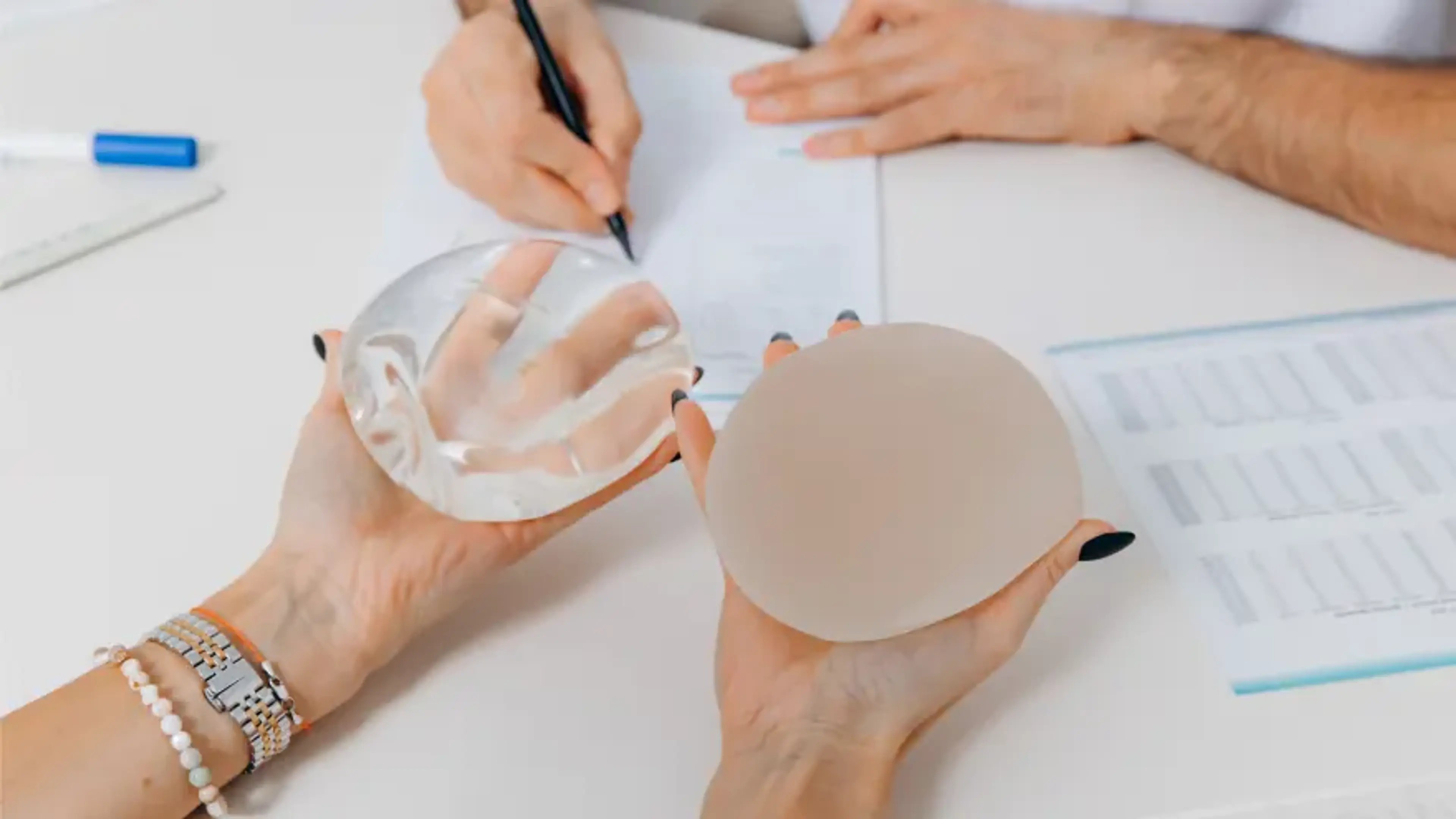
When considering breast augmentation, two main types of implants dominate: silicone and saline. While both are FDA-approved and widely used, they differ in materials, appearance, feel, and safety profiles.
In this guide, we’ll explore the differences between silicone and saline implants, their pros and cons, and how to decide which one is best suited for your needs.
Silicone implants are filled with a cohesive gel designed to closely resemble natural breast tissue. This gel provides a soft and smooth texture, which is why silicone implants are often chosen for their natural feel and appearance.
Silicone implants have a significant advantage when it comes to maintaining their shape. They are particularly effective for patients who have less natural breast tissue, as they are less likely to show visible ripples. In addition, silicone implants are available in both round and anatomical (teardrop) shapes, allowing for a tailored look that can enhance the overall contour of the breasts.
Silicone implants are FDA-approved for women 22 years and older and for breast reconstruction at any age. They offer a superior aesthetic outcome, particularly for women seeking a subtle, natural-looking enhancement.
At Human PS Clinic in Seoul, renowned for its expertise in breast augmentation, Dr. Kim Kook Hyun and his team use only FDA-approved, high-quality silicone implants from trusted manufacturers like Motiva, Mentor, and Sebbin. The clinic's cutting-edge imaging tools help create a personalized surgical plan, ensuring the implant size, shape, and placement align with each patient’s unique anatomy.
Saline implants are filled with a sterile saltwater solution and are inserted empty, then filled once they are inside the body. This allows for smaller incisions, which can be a significant advantage for patients seeking less visible scars.
Saline implants are FDA-approved for women aged 18 and older for breast augmentation procedures. While saline implants are firmer and may not mimic the natural softness of breast tissue as effectively as silicone, they do offer a unique safety feature. If a saline implant ruptures, the body naturally absorbs the saline, and the deflation is immediately noticeable, making detection quick and easy.
Saline implants are a viable option for younger women or those looking for adjustable volume, as they can be filled to the desired size during surgery. The ability to adjust the implant size during surgery is a major benefit for some patients, as it allows for greater flexibility in achieving the desired look.
At Human PS Clinic, thorough consultations help ensure that patients choose the most appropriate implant, with advanced techniques like subfascial placement improving the aesthetic outcome of saline implants.
When considering which implant feels more natural, silicone implants are often the preferred choice. The cohesive gel used in silicone implants provides a softer, more realistic texture that closely mimics natural breast tissue. This makes silicone implants a good choice for patients seeking a more natural and less augmented appearance.
Saline implants, on the other hand, may feel firmer and could create visible rippling, particularly in individuals with thin skin or low body fat. However, skilled surgical techniques, such as the HD endoscopic methods used at Human PS Clinic, can minimize these concerns by ensuring precise placement of the implants.
Every patient is different, and that’s why Human PS Clinic offers personalized consultations to determine the most suitable implant based on body type, aesthetic goals, and desired outcomes.
Both silicone and saline implants are considered safe, but they have different characteristics when it comes to rupture risks.
Silicone implants can experience a "silent rupture," where the silicone gel stays within the implant's shell, and the patient may not notice it. Regular monitoring, such as through MRI or ultrasound, is recommended to detect any potential issues early.
In contrast, saline implants deflate visibly if they rupture, as the body absorbs the saline solution. This makes rupture detection easy and immediate, but it also requires prompt corrective surgery.
At Human PS Clinic, patient safety is paramount, and the clinic employs real-time anesthesia monitoring during all procedures. Additionally, all implants used are FDA-approved, ensuring the highest standards of safety and quality.
When it comes to visual outcomes, silicone implants generally offer a more natural look. Their smooth, cohesive gel and ability to maintain their shape provide a seamless contour, reducing the chances of visible rippling or implant edges.
Saline implants, though still a great option for many, are more likely to show rippling, especially in patients with thinner skin. That said, surgical technique plays a significant role in minimizing visible effects and achieving a balanced result. With the use of HD endoscopic techniques, Dr. Kim ensures that implants are placed with the utmost precision, enhancing overall symmetry and contour.
The surgical procedure for breast augmentation typically involves:
General anesthesia to ensure the patient is comfortable.
A small incision in the breast (either inframammary, periareolar, or transaxillary).
Creation of a pocket for the implant, either under the breast tissue (subglandular), under the muscle (submuscular), or under the fascia (subfascial).
Insertion and adjustment of the implant for optimal symmetry.
Closing of the incision and beginning the recovery process.
At Human PS Clinic, advanced HD endoscopic techniques are employed for precise implant placement. This allows for less invasive procedures, reduced recovery time, and better long-term outcomes.
Recovery after breast augmentation is typically straightforward, with most patients returning to light activities within a week. Full recovery, however, may take up to 6 weeks depending on the type of implant and the specific surgical approach used.
Silicone implants may require slightly longer recovery due to their consistency and the placement technique, while saline implants often result in quicker recovery. Human PS Clinic supports recovery with advanced technologies like LED therapy and Low-Level Light Therapy to reduce swelling and enhance healing.
The choice between silicone and saline implants depends on several factors, including body type, skin condition, aesthetic preferences, and age.
Saline implants are often ideal for younger women (18–21 years) or those seeking smaller incisions and volume adjustability.
Silicone implants are better suited for those seeking a natural look and feel, especially those with less breast tissue.
A personalized consultation at Human PS Clinic ensures that you receive tailored advice based on your specific needs, allowing you to make an informed decision.
Whether you opt for silicone or saline implants, the decision is deeply personal and should be based on your goals and unique body type. At Human PS Clinic, Dr. Kim and his team are dedicated to providing safe, effective, and personalized breast augmentation procedures that help you feel confident and beautiful.