Home / Articles
The Best Recovery Tips for After Your Breast Augmentation Surgery
Home / Articles
The Best Recovery Tips for After Your Breast Augmentation Surgery
Breast augmentation is one of the most sought-after aesthetic surgeries in the world, and in Korea, it has become an art form shaped by precision and personalization. For many women, it is more than just an enhancement of physical appearance — it’s about restoring balance, confidence, and harmony in their bodies. At Human PS Clinic in Gangnam, we’ve witnessed how transformative this journey can be. But it’s important to understand that the surgery itself is only half the story. The other half — and just as crucial — is recovery.
To be honest, recovery is where the true results take shape. A well-executed surgery may set the foundation, but the healing period determines whether your results are smooth, natural, and long-lasting. This is why we guide our patients carefully through each stage of recovery, ensuring they feel supported physically and emotionally. In this article, we’ll walk you through what to expect after your breast augmentation and share the best recovery tips to help you achieve the outcome you’ve been dreaming of.
No two patients heal in the same way. Recovery is influenced by several factors — surgical technique, implant type, body type, and individual healing capacity. At Human PS Clinic, we use advanced, minimally invasive approaches such as HD Endoscopic Breast Surgery, which typically result in less trauma and faster healing. Still, patience is key.
Think of recovery like nurturing a newly planted tree. Even when placed in perfect soil by expert hands, the roots need time to settle before it grows strong. Your body, too, needs this settling period to adapt and flourish.
The first 48 to 72 hours after surgery are often the most sensitive. Patients usually feel swelling, chest tightness, and mild discomfort — sensations more of heaviness than sharp pain. This stage sets the tone for the rest of recovery.
At Human PS Clinic, we stay closely connected with patients during this early stage, since even small adjustments can greatly improve comfort and healing. Many patients share that having a responsive medical team reassures them and helps them stay positive.
It’s natural to worry about pain after surgery, but most women are surprised at how manageable it is. With modern techniques, strong painkillers are rarely needed beyond the first few days. Instead, mild medication and supportive care usually suffice.
One often overlooked factor is posture. Sleeping with your upper body slightly elevated reduces swelling and takes pressure off the chest. Applying ice packs may also help in moderation, but overcooling can actually slow down healing — always follow your surgeon’s advice.
Breathing exercises and relaxation techniques can also make a surprising difference. Patients who practice slow, deep breathing often report less tension in the chest area, which helps ease discomfort during the early healing phase.
Many patients ask: “When can I get back to my normal routine?” The truth is, recovery unfolds in stages. Rushing can cause unnecessary complications, but moving too little isn’t ideal either. Gentle pacing is the secret.
One patient we treated described this stage as “learning to trust my body again.” By gradually increasing activity, she regained confidence in her strength while ensuring her breasts healed properly. As Dr. Kim at Human PS Clinic often says, recovery is not a race. Every body has its rhythm, and respecting that rhythm leads to better long-term outcomes.
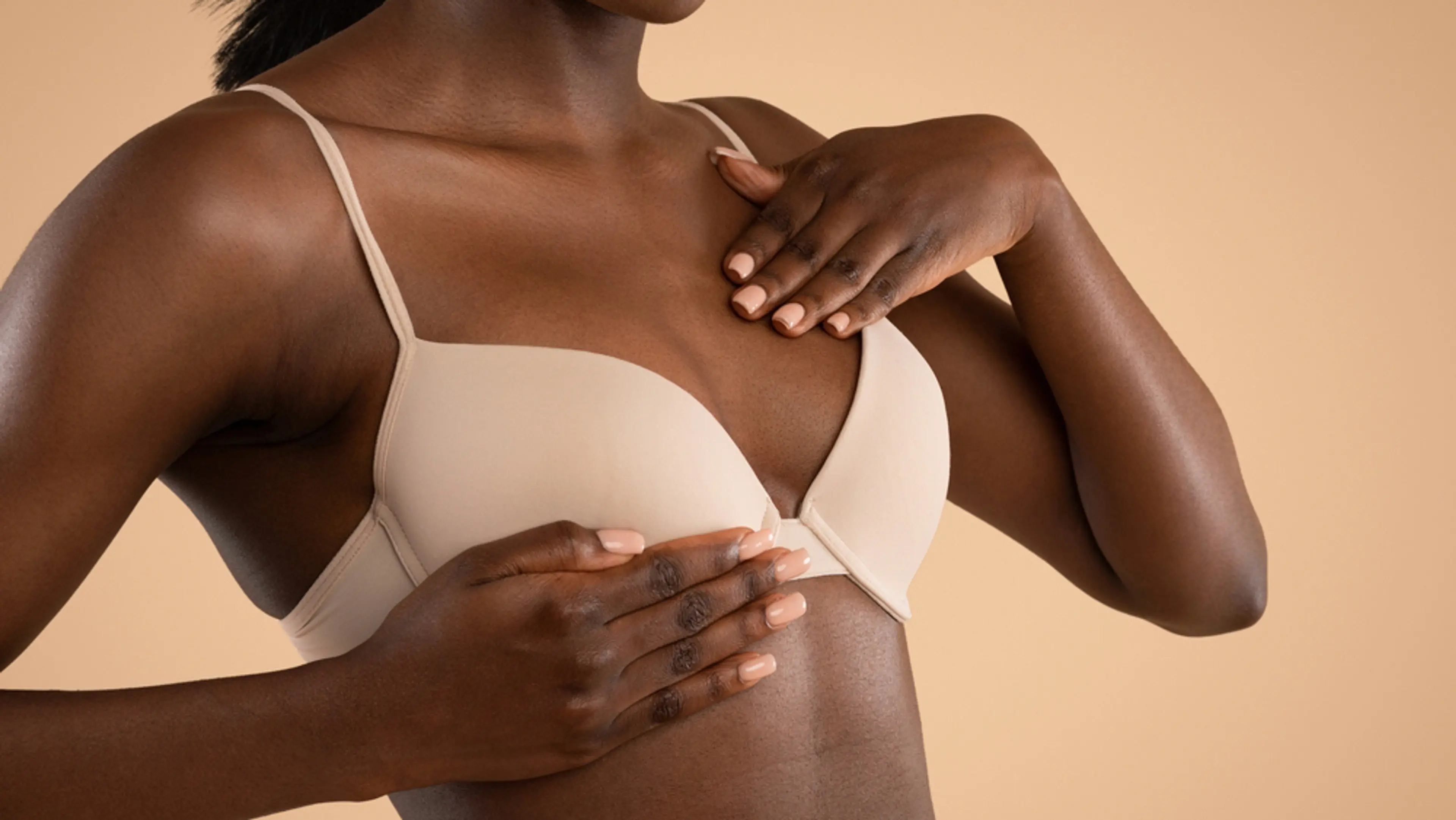
Wearing the right surgical bra or compression garment is not optional — it’s part of the treatment. These garments:
Stabilize implants
Reduce swelling
Help breasts take on a natural shape
We often explain it this way: just as orthodontic braces gently guide teeth into place, support bras guide your breasts through their healing journey. Switching to normal bras too soon can compromise results and prolong the adjustment period.
Some patients initially find these garments inconvenient, but almost every one of them later says it was worth it. The difference in comfort, swelling reduction, and final results is significant.
Physical recovery is only part of the story. Many women experience an emotional rollercoaster during the first few weeks. Swelling, bruising, or temporary asymmetry may cause doubt about the surgery’s success. This is completely normal.
At Human PS Clinic, we emphasize reassurance and open communication. Understanding what’s temporary — and what’s a true result — helps patients manage expectations and feel confident about their healing process.
We encourage patients to think of recovery as a journey of self-trust. The body is adjusting, reshaping, and finding its new balance. With time, the results settle, and confidence grows alongside physical healing. One of our patients described the emotional shift beautifully: “At first, I questioned whether I had made the right choice. But by the second month, I started to see the real me emerge, and it felt natural — as if this was always how I was meant to look.”
While every patient’s experience is unique, here’s a general idea of what you can expect:
By six weeks, most women feel comfortable, and swelling has decreased noticeably. Breasts begin to soften and settle, showing a more natural contour. Still, the final outcome may take several months as tissues continue adjusting.
We compare it to a home renovation: the main structure may be ready quickly, but the final finishing touches take time before everything feels “just right.” Regular follow-ups with your surgeon ensure that everything is on track and provide peace of mind along the way.
It’s worth noting that breast implants, while long-lasting, are not lifetime devices. Regular check-ups are important to ensure they remain in good condition and that your results stay harmonious with your body over time. At Human PS Clinic, we provide long-term care and guidance, so patients feel supported well beyond their initial recovery.
Recovery after breast augmentation is not just about resting at home — it’s a partnership between you and your surgical team. Advanced surgical techniques, like those we use at Human PS Clinic, create the best possible foundation. But your role — following instructions, wearing support garments, pacing your activities, and caring for your emotional well-being — is equally vital.
Healing takes patience, but the reward is worth it: beautifully natural results that complement your body and boost your confidence. Many of our patients tell us that their only regret is not having done it sooner — but they also emphasize that taking recovery seriously made all the difference.
If you’re considering breast augmentation and want a clinic that combines precision surgery with compassionate, personalized recovery care, Human PS Clinic in Gangnam is here to guide you through every step of the journey — from consultation to complete recovery. With the right approach, your transformation will feel not only beautiful, but also healthy, safe, and deeply rewarding.