Introduction
introductionBreast augmentation has evolved significantly over the past few decades, giving patients more control over how their body looks and feels. One of the key choices patients must make when considering breast implants is the type of implant surface: smooth or textured. This may seem like a small detail, but the surface texture has far-reaching implications — from how the implant feels to how it integrates with your tissue, to long-term risks and aesthetic outcomes.
At Human PS Clinic in Gangnam, Seoul, we have worked with patients of all backgrounds, ages, and body types to help them understand not just what implants are, but how each design decision influences their outcome over the years. With Dr. Kim Kook Hyun’s surgical precision and patient-first philosophy, we want to share a medically accurate, honest breakdown of smooth vs. textured implants — and help you decide which option aligns with your unique goals.
What Are Smooth and Textured Implants?
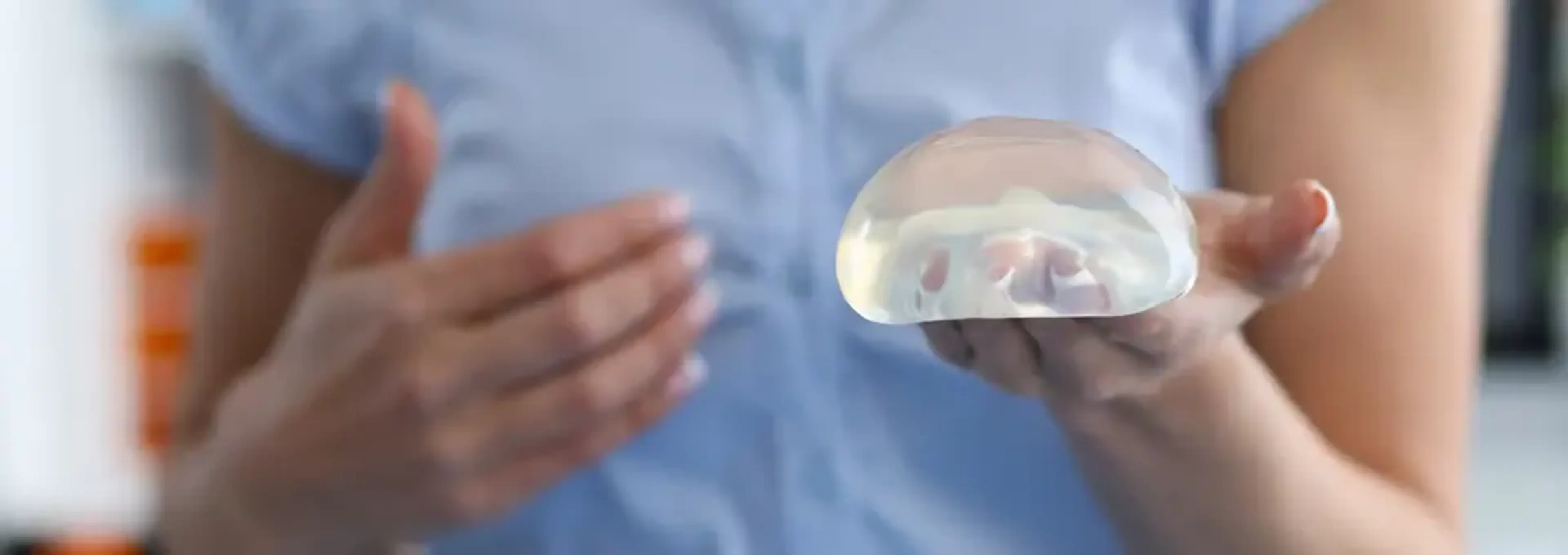
what-are-smooth-and-textured-implantsAll breast implants consist of an outer silicone shell, filled with either cohesive silicone gel or saline solution. The outer shell can be manufactured with either a smooth or textured surface.
Smooth implants have a sleek, polished shell. They move more freely within the breast pocket and tend to feel softer.
Textured implants have a rough, sandpaper-like finish designed to adhere slightly to surrounding tissue, reducing mobility and rotation.
This isn’t just a cosmetic preference — the texture of the implant surface can affect the surgical technique, healing process, feel, appearance, and safety profile of the implants. Surgeons consider these variables carefully based on a patient’s anatomy, lifestyle, and goals. In some ways, choosing the right implant texture is like choosing the foundation of a building — it may be invisible from the outside, but it determines everything that comes after.
Pros and Cons of Smooth Breast Implants
pros-and-cons-of-smooth-breast-implantsPros
prosNatural movement and feel Smooth implants are known for their softness and natural feel, especially when placed beneath the chest muscle. They can mimic the movement of natural breast tissue more effectively, particularly during activity or position changes. This is especially valued in Korean aesthetics, where subtle and natural contours are preferred over overly projected or high-riding implants.
Lower visibility in thin patients Because they don’t grip the surrounding tissue as much, smooth implants are often better at avoiding visible rippling — particularly when placed under the muscle in patients with low body fat. This is a significant advantage for patients in Asia, where petite frames and lean upper body anatomy are more common.
Easier insertion and revision Smooth implants are easier to insert and remove, which makes both the primary surgery and future revision surgeries less complicated. Surgeons can adjust their position more easily during the procedure, and in long-term follow-up, the capsule surrounding the implant may also be easier to manage.
No known link to BIA-ALCL Smooth implants have not been linked to Breast Implant-Associated Anaplastic Large Cell Lymphoma (BIA-ALCL), a rare cancer associated with certain types of textured implants. For patients who are particularly risk-conscious or want peace of mind, this factor can weigh heavily in favor of smooth implants.
Cons
consHigher risk of rotation (with anatomical shapes) Because they do not adhere to tissue, smooth implants may rotate within the pocket, especially if they are anatomical (teardrop) shaped. This can distort the breast shape over time and may require revision surgery if rotation becomes noticeable.
Slightly higher capsular contracture risk (in specific cases) Some older studies suggested that smooth implants may have a slightly higher risk of capsular contracture (scar tissue tightening around the implant), particularly when placed above the muscle. However, when placed submuscularly using precise techniques (as we do at Human PS Clinic), this risk becomes more comparable to that of textured implants.
More mobility = more displacement risk The free movement of smooth implants can lead to a higher chance of the implant shifting or dropping out of position over time, depending on the patient's anatomy and lifestyle. This is especially relevant for patients with highly active lifestyles, poor tissue elasticity, or weak inframammary folds.
Pros and Cons of Textured Breast Implants
pros-and-cons-of-textured-breast-implantsPros
prosBetter positional stability Textured implants are less likely to rotate or shift, which is especially critical with anatomical (teardrop-shaped) implants. Their grip on tissue helps them maintain orientation, which is essential for preserving the natural slope and shape of the breast.
May reduce risk of capsular contracture In certain cases — particularly when implants are placed over the muscle — the textured surface appears to reduce the rate of capsular contracture compared to smooth implants. This can be an advantage in patients who have a history of contracture or are undergoing revision surgeries.
Useful in reconstructive or asymmetry cases In cases where control over implant position is crucial (such as breast reconstruction or correcting congenital asymmetry), textured implants can offer advantages. They can help ensure the implant stays where it's placed, which is vital in cases where breast shape is being rebuilt or reshaped.
Cons
consFirmer feel, less natural movement The textured surface and the resulting adherence to tissue can reduce the natural movement of the breast and may feel firmer to the touch. For patients desiring soft, supple results that move with their body, this can be a drawback.
Risk of BIA-ALCL Perhaps the most significant downside: certain macro-textured implants have been associated with BIA-ALCL, a rare form of immune-system cancer. While rare, this concern has led to recalls and bans in some countries. At Human PS Clinic, we no longer use macro-textured implants for this reason and educate patients fully on the risks.
Potential for visible rippling Especially in thin patients or when placed above the muscle, the rough surface of textured implants can create visible ripples or folds that are harder to hide. In aesthetic cultures where subtlety and invisibility are valued, this is an important consideration.
More difficult revision surgeries Because textured implants bond more tightly to surrounding tissue, removing or repositioning them in revision surgery can be more complex and involve more tissue disruption. This can also affect the healing process and increase downtime.
Choosing the Right Implant at Human PS Clinic
choosing-the-right-implant-at-human-ps-clinicAt Human PS Clinic, we evaluate several factors before recommending smooth or textured implants:
Your body type and tissue coverage: Thin patients with little natural breast tissue may benefit more from smooth implants placed under the muscle.
Implant placement: Submuscular placements tend to equalize many of the pros and cons, but textured implants may still be used if extra stability is needed.
Desired implant shape: Round implants are available in both textures, but anatomical implants usually require a textured shell to maintain their orientation.
Risk tolerance and lifestyle: Patients highly concerned with BIA-ALCL may prefer smooth implants, while those with reconstructive needs might consider textured after informed consent.
Long-term plans: We always consider the possibility of revision surgery in the future — smooth implants offer more flexibility here.
Dr. Kim brings more than a decade of surgical insight, including as a Visiting Professor at Soonchunhyang University, to every consultation. His patient-first approach means that each decision — including implant texture — is grounded in your anatomy, lifestyle, and aesthetic goals. We don’t believe in one-size-fits-all — we believe in what’s best for you.
Our Clinic’s Perspective: What Patients Often Don’t Hear
our-clinic's-perspective:-what-patients-often-don't-hearMany patients arrive with assumptions: smooth is safe, textured is dangerous. But in practice, the right answer is more nuanced. In Korea, where natural-looking results are often the aesthetic ideal, smooth implants tend to be favored — but not universally. For cases involving asymmetry, significant volume restoration, or complex anatomy, textured implants still have their place.
We also emphasize that implant surface is just one part of a broader equation. Implant placement, surgical technique, postoperative care, and follow-up all contribute to long-term success. The “texture” of the implant should match the “texture” of your life — your expectations, your activity level, your future plans.
Our job is not to sell one type over another — it’s to understand your goals, your body, and how to ensure you get a result that looks and feels like you, only more confident.
Final Thoughts
final-thoughtsChoosing between smooth and textured breast implants is not just about surface feel — it’s about how the implant will interact with your body over time. At Human PS Clinic, our commitment is to safety, natural aesthetics, and long-term satisfaction. Our approach combines precise surgical skill with a deep understanding of aesthetics that suit the Korean body and beauty ideal.
Whether you’re considering primary augmentation, revision surgery, or reconstructive enhancement, our team guides you through every detail — from implant shape to texture — with compassion and expertise.
If you're exploring your options for breast surgery in Seoul, or have questions about what’s safest and most natural for your body, we invite you to schedule a consultation at Human PS Clinic. Let’s make the choice that fits you best — not just for today, but for years to come.