Home / Articles
Understanding the Risks of Breast Reconstruction Surgery: What You Need to Know
Home / Articles
Understanding the Risks of Breast Reconstruction Surgery: What You Need to Know
Breast reconstruction surgery is a deeply personal and life-changing procedure for many individuals who have undergone mastectomy, often due to breast cancer. It offers the opportunity to restore a sense of wholeness and confidence, helping patients feel more like themselves again. However, like any surgery, it comes with potential risks that patients should be aware of before making a decision. Understanding these risks is essential to ensuring that you can weigh the benefits against the possible complications and make an informed choice about your care. At Human PS Clinic, we prioritize the health and safety of our patients and believe in empowering them with knowledge. In this article, we’ll explore the common risks associated with breast reconstruction surgery, giving you a clearer picture of what to expect throughout the process.
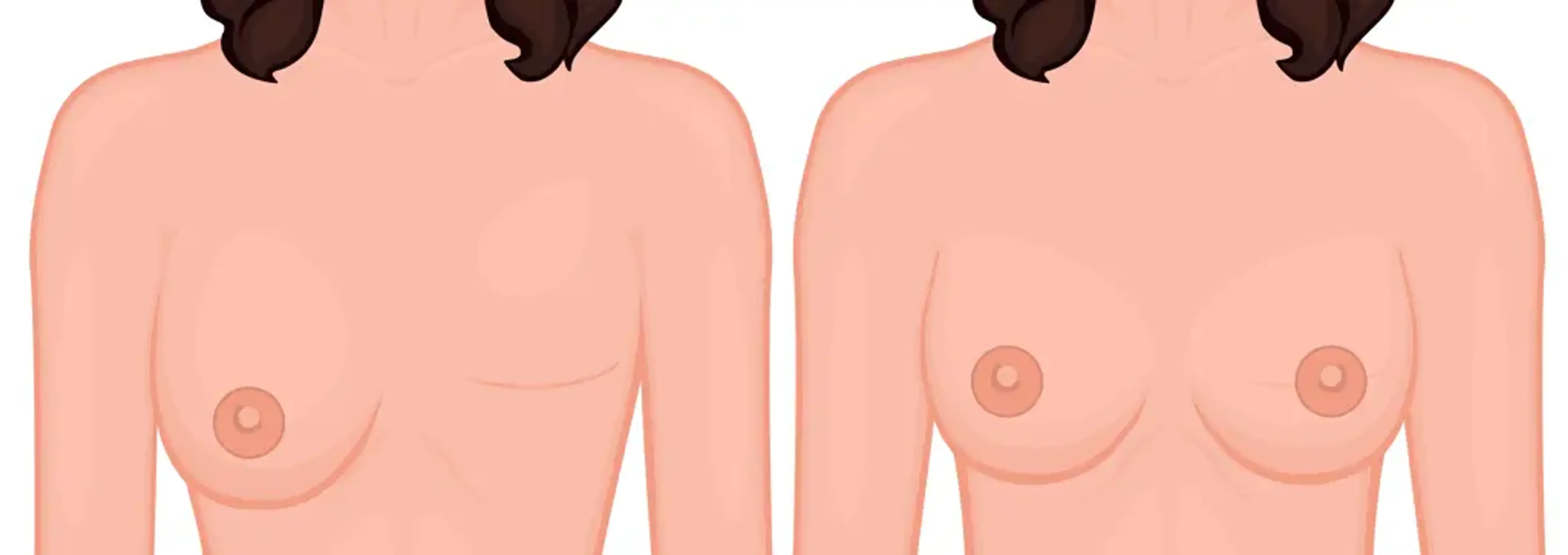
Breast reconstruction surgery aims to rebuild the breast mound after a mastectomy, restoring both the shape and appearance of the breast. There are several techniques available, including:
The method of reconstruction chosen depends on several factors, including the patient’s overall health, the amount of breast tissue removed, and the patient’s personal goals. While the primary goal is to restore the appearance of the breast, it’s also essential to consider the risks involved with each approach.
Every surgery comes with inherent risks, and breast reconstruction is no different. It’s important to keep in mind that these risks don’t mean the procedure is unsafe but rather that they are part of the body’s natural healing process and the complexities of reconstructive surgery.
Infections are one of the most common risks associated with any surgery, and breast reconstruction is no exception. The risk can be minimized by following pre- and post-operative care instructions carefully, including keeping the wound clean, using prescribed antibiotics, and monitoring for signs of infection such as unusual redness, swelling, or discharge. In some cases, an infection may require additional surgery or longer healing time.
For patients opting for implant-based reconstruction, several issues may arise, such as:
To avoid complications, selecting an experienced surgeon and high-quality implants is essential. At Human PS Clinic, we use cutting-edge materials and techniques to minimize such risks and ensure that the results are natural-looking and long-lasting.
Wound healing is an integral part of the recovery process. In some cases, particularly in patients with compromised immune systems or those who smoke, wounds may not heal properly, leading to delayed recovery, scarring, or the need for additional surgery. Proper post-operative care and lifestyle adjustments are key to minimizing this risk.
Blood clots can form after any surgery, particularly if the patient is immobile for extended periods. Clots can be serious if they travel to the lungs or heart, leading to potentially life-threatening complications. Surgeons take proactive measures, such as prescribing blood thinners or recommending early mobilization, to reduce this risk.
Breast reconstruction is designed to create a balanced and natural breast appearance, but achieving perfect symmetry between both breasts can sometimes be challenging. Variations in breast shape, size, or nipple placement can occur, especially if reconstruction is done on one side only. Some patients may need additional procedures, such as fat grafting or nipple reconstruction, to achieve better symmetry.
While autologous reconstruction can offer more natural results, especially in terms of tissue consistency, it carries its own set of unique risks.
Since tissue is taken from another part of the body (such as the abdomen, back, or thighs), there are risks at the donor site as well, including:
In autologous flap surgery, some of the transplanted tissue can fail to survive, leading to fat necrosis. This occurs when the blood supply to the tissue is inadequate, resulting in the death of the fat cells. While not life-threatening, fat necrosis can lead to lumps or changes in the texture of the reconstructed breast.
Autologous reconstruction typically involves a more complex surgery than implant-based reconstruction, and as a result, the recovery time is longer. Patients may experience discomfort, bruising, and swelling not only in the breast area but also at the donor site. It’s crucial to follow the doctor’s recovery instructions closely to ensure proper healing.
Breast reconstruction can be a deeply emotional journey. For many patients, the physical changes to their body can lead to feelings of grief, frustration, or even anxiety. In some cases, patients may find the healing process challenging, both physically and mentally, especially when they see the initial results or experience post-surgical discomfort. It's crucial to discuss these feelings with your surgeon and healthcare team so that they can offer appropriate emotional support and resources.
At Human PS Clinic, we recognize that the recovery process is not just physical, but emotional as well. Our team works closely with patients, ensuring they feel supported every step of the way. We understand the significance of this procedure and strive to make the experience as comforting and rewarding as possible.
Although some risks cannot be entirely eliminated, there are steps you can take to minimize the likelihood of complications. Here’s what you can do:
Breast reconstruction surgery offers hope and healing, allowing many individuals to regain not only their physical appearance but also their confidence. While the procedure has a high success rate, it’s important to be aware of the risks involved, such as infection, implant complications, poor healing, and issues specific to autologous reconstruction. By choosing an experienced surgeon, like Dr. Kim Kook Hyun at Human PS Clinic, and following all pre- and post-operative instructions, you can significantly reduce these risks and enjoy the best possible outcome. If you're considering breast reconstruction, we invite you to schedule a consultation with us, where we can discuss your goals and address any concerns to help you make the decision that's right for you.